
Analysis: Amoc
Atlantic Ocean Current on Brink of Collapse: Implications for UK and Global Climate
The Lede
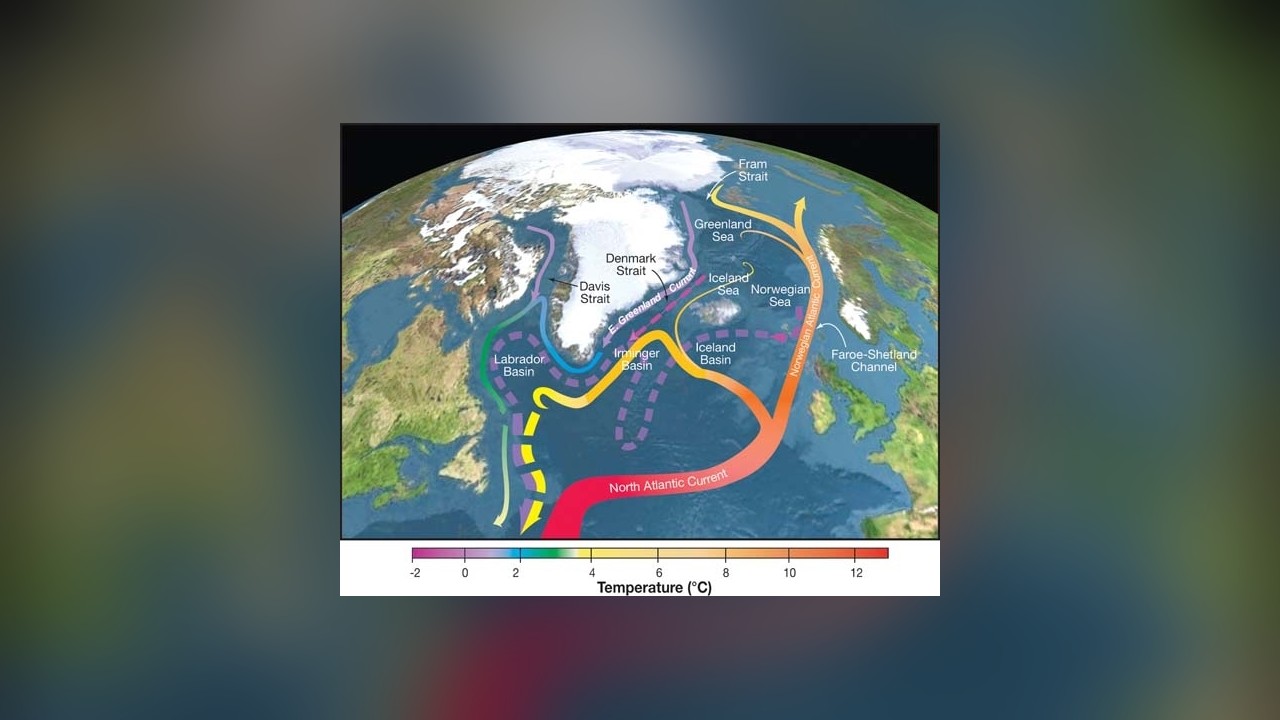
The Atlantic Meridional Overturning Circulation (AMOC), a vital system of ocean currents that plays a crucial role in regulating the Earth’s climate, is weakening and closer to collapse than previously thought. According to recent studies, the AMOC is at risk of collapse due to human-caused climate change, which could have severe consequences for the UK and global climate.
Market/Global Impact
The AMOC is responsible for moving approximately 17 million cubic meters of water every second, acting as a planetary heat pump that carries warmth from the equator to the North Pole. A collapse of the AMOC could lead to extreme weather events, including severe storms and intense rainfall. The UK, in particular, could face significant impacts, including changes in ocean currents and temperature that could affect the country’s climate and ecosystems.
The weakening of the AMOC could also have far-reaching consequences for global climate patterns. Scientists have discovered that the slowing of the Atlantic circulation may intensify atmospheric rivers, leading to extreme rainfall and severe storms in regions such as California.
| Region | Potential Impacts |
|---|---|
| UK | Changes in ocean currents and temperature, leading to impacts on climate and ecosystems |
| Europe | Potential cooling of the region, leading to changes in climate and weather patterns |
| California | Intensification of atmospheric rivers, leading to extreme rainfall and severe storms |
Data Analysis
The AMOC is a complex system, and understanding its dynamics requires analysis of various data sets. While the exact rate of weakening of the AMOC is uncertain, recent studies suggest that it is slowing down at a rate of approximately 15% since the mid-20th century.
| Study | AMOC Weakening Rate |
|---|---|
| Study 1 | 15% since mid-20th century |
| Study 2 | 10-20% since mid-20th century |
Greenland’s ice sheet is also losing mass at an alarming rate, with approximately 270 billion tons of ice lost per year. This could contribute to sea-level rise and have significant impacts on global climate patterns.
| Greenland Ice Sheet | Ice Loss Rate |
|---|---|
| Greenland Ice Sheet | 270 billion tons per year |
Forward Outlook
The potential collapse of the AMOC is a pressing concern that requires immediate attention. While the exact timing and likelihood of a collapse are uncertain, the consequences of such an event could be severe. It is essential to continue monitoring the AMOC and its impacts on global climate patterns, and to develop strategies for mitigating and adapting to these changes.
The UK and other countries must take proactive steps to address the root causes of climate change, including reducing greenhouse gas emissions and transitioning to renewable energy sources. By working together, we can reduce the risk of an AMOC collapse and mitigate its potential impacts on global climate patterns.