
Analysis: English Channel Migrant Crossings
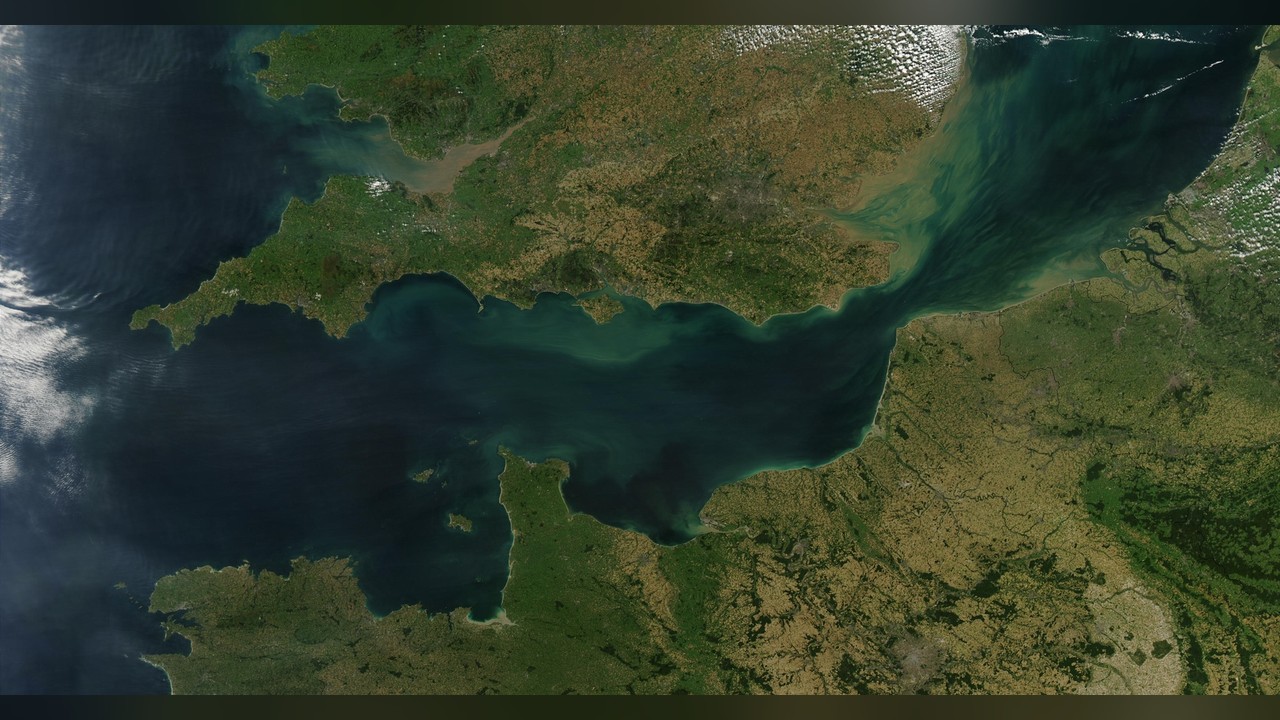
Channel Crisis: Surge in Small Boat Arrivals Tests UK-France Security Pact
Small boat crossings in the English Channel have reached high volumes, characterized by a surge in arrivals and a spike in maritime casualties. Despite a newly signed multimillion-euro bilateral agreement between the United Kingdom and France intended to curb these movements, Border Force operations continue to process hundreds of migrants per transit. Recent incidents, including a mass arrival of 900 individuals and multiple vessel capsizes, underscore the persistent volatility of the route.
Strategic and Global Impact
The escalation in Channel crossings represents a critical failure in deterrence, forcing a shift toward reactive crisis management. The logistical strain on the UK Border Force is evident, with large-scale arrivals—such as the recent transit of 900 migrants—necessitating the immediate redirection of state resources and emergency services at Dover.
Globally, the crisis highlights the friction between national border security and the humanitarian risks inherent in irregular migration. The reliance on small, unstable craft has turned the Channel into a high-fatality zone, creating a recurring cycle of rescue operations and medical emergencies that strain French and British maritime authorities. The signing of a three-year deal indicates that neither government views the current security infrastructure as sufficient to halt the flow, shifting the strategy toward a long-term, funded partnership to dismantle the crossing pipeline.
Data Analysis: Operational Metrics and Casualty Reports
Current intelligence indicates a pattern of high-volume traffic punctuated by catastrophic vessel failures. The following tables synthesize the most recent operational data.
Table 1: Recent Arrival and Rescue Volume
| Event Type | Volume/Scale | Primary Location | Status |
|---|---|---|---|
| Mass Arrival | 900 Migrants | Dover, UK | Processed by Border Force |
| Major Rescue | 70+ Migrants | Near Boulogne | Hospitalized/Rescued |
| Daily Flow | “Hundreds” | English Channel | Ongoing |
Table 2: Casualty and Injury Report
| Incident | Fatalities | Injuries | Specific Medical Notes |
|---|---|---|---|
| Beach Grounding (N. France) | 2 | 16 | Includes 3 with serious burns |
| Boulogne Capsize | Undisclosed | Undisclosed | Mass hospitalization required |
Note: Total fatality figures for the current period remain incomplete as specific data for the Boulogne capsize was not provided in the briefing.
Forward Outlook
The trajectory of English Channel crossings remains tied to the efficacy of the new multimillion-euro deal signed between the UK and French governments. This three-year agreement is designed to curb small boat departures through increased funding and coordinated surveillance. However, the immediate data suggests a disconnect between diplomatic agreements and operational reality.
The persistence of “high volume” traffic indicates that the economic and social drivers pushing migrants toward the UK currently outweigh the deterrent effects of Border Force patrols. The frequency of capsizes and groundings suggests that as security tightens, migrants may be utilizing more dangerous vessels or routes, potentially increasing the fatality rate.
Short-term expectations include continued pressure on Dover’s processing facilities and a heightened requirement for search-and-rescue (SAR) operations near the French coast. The success of the UK-France pact will be measured not by the signing of the document, but by a quantifiable reduction in the “hundreds” of daily arrivals and a decrease in the casualty rate reported by French authorities. Until such a decline is recorded, the Channel remains a high-risk corridor of systemic instability.