
Analysis: Haaland
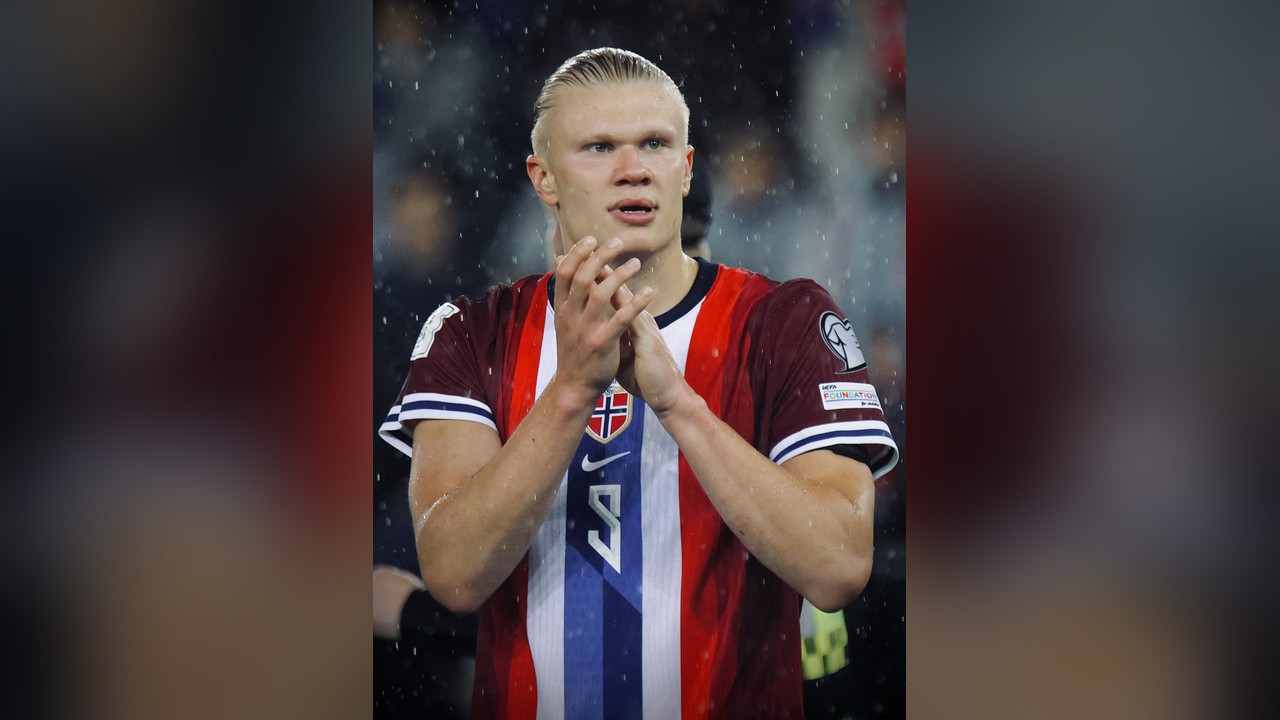
The Haaland Paradox: Title Frustration and the Real Madrid Speculation
Erling Haaland has called for Manchester City to weaponizing the “pain” of failing to secure the Premier League trophy, urging the squad to maintain a state of anger to fuel their next campaign. This internal demand for psychological aggression coincides with reports that the striker is exploring an exit strategy to Real Madrid, contingent upon the departure of manager Pep Guardiola from the Etihad Stadium. Simultaneously, Haaland has been named in Norway’s 26-man squad for their first World Cup appearance in 28 years.
Market and Global Impact
The intersection of Haaland’s public dissatisfaction and private postures creates a volatile narrative for Manchester City’s long-term asset management. By publicly advocating for a culture of anger following a title failure, Haaland positions himself as a catalyst for the club’s competitive recovery. However, the reports regarding his agent’s potential engagement with Real Madrid introduce a significant risk factor to City’s squad stability.
The global football market remains attuned to the “Guardiola Variable.” The intelligence suggests that Haaland’s loyalty is tied less to the City infrastructure and more to the managerial leadership. A transition in leadership at Manchester City would likely trigger a high-value transfer movement toward La Liga, shifting the balance of power in European football toward Real Madrid.
On the international stage, Haaland’s inclusion in the Norway squad marks a historic milestone. Norway’s return to the World Cup after nearly three decades elevates the commercial and competitive profile of the national team, placing Haaland and captain Martin Odegaard at the center of a global sporting event.
Data Analysis: Strategic Positioning and Squad Status
The following tables delineate the current operational status of Erling Haaland across club and international dimensions based on available intelligence.
Table 1: Manchester City Operational Status
| Metric | Status/Position | Strategic Driver |
|---|---|---|
| Emotional State | “Angry” | Failure to win Premier League trophy |
| Objective | Title Recovery | Using “pain” as fuel for next season |
| Transfer Status | Speculative/Conditional | Potential move to Real Madrid if Guardiola quits |
| Key Dependency | Pep Guardiola | Managerial stability as a retention factor |
Table 2: Norway National Team Integration
| Category | Detail | Significance |
|---|---|---|
| Squad Size | 26 Players | Full roster for World Cup |
| Leadership | Martin Odegaard (Captain) | Established hierarchy |
| Historical Context | First World Cup in 28 years | End of long-term qualification drought |
| Key Personnel | Haaland, Odegaard, Bobb, Ajer, Larsen | Core talent concentration |
Forward Outlook
The immediate trajectory for Erling Haaland is split between a high-stakes international tournament and a precarious club future. In the short term, the focus shifts to the World Cup, where Norway’s 28-year absence from the tournament football creates a high-pressure environment for Haaland and Odegaard to deliver.
At the club level, the narrative is one of conditional stability. While Haaland is currently advocating for a more aggressive internal culture at Manchester City to rectify their failure to win the league, the underlying current is one of potential departure. The critical trigger for a market shift is the tenure of Pep Guardiola. Should Guardiola exit, the intelligence indicates Haaland has already signaled his agent to engineer a move to Real Madrid.
City faces a dual challenge: managing the psychological fallout of a lost title while mitigating the risk of losing their primary offensive asset. The club’s ability to retain Haaland will depend entirely on managerial continuity and the successful conversion of “anger” into silverware in the upcoming season.