
Offshore Wind Expansion in the North Sea: A Beacon for UK’s Renewable Future
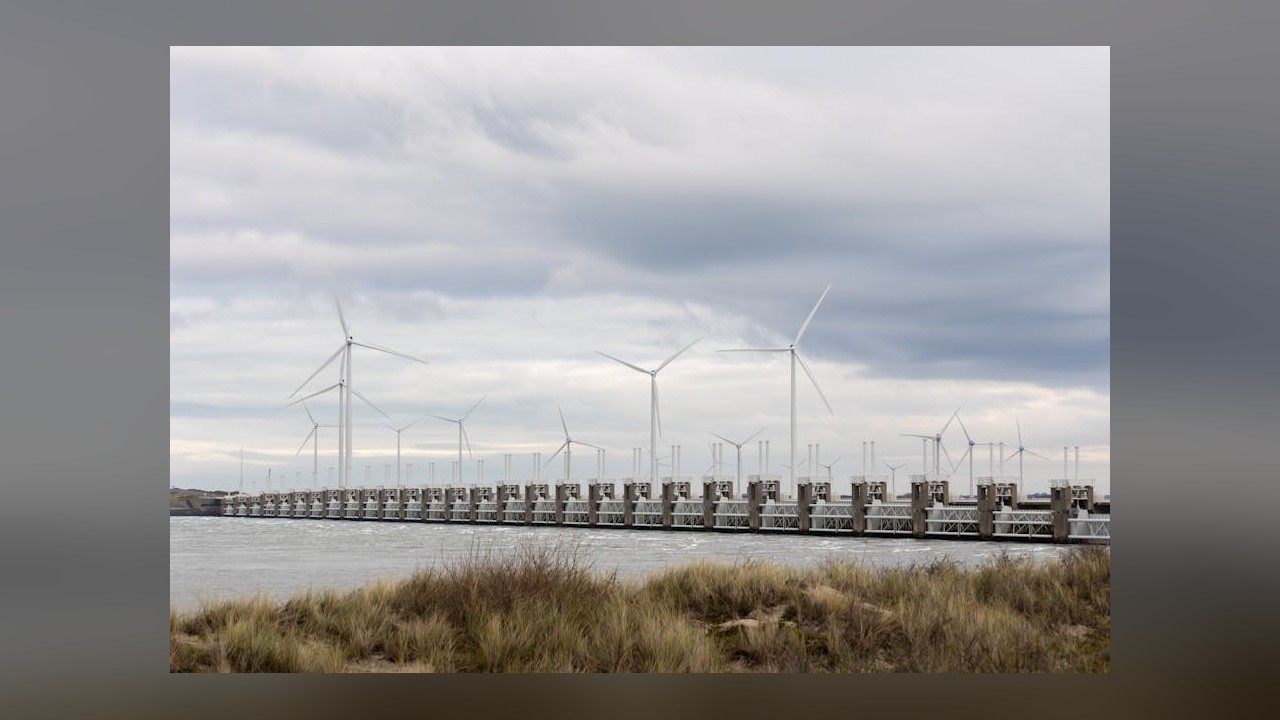
Offshore Wind Expansion in the North Sea: A Beacon for UK’s Renewable Future
Introduction
The Crown Estate’s decision to grant licensing rights for massive offshore wind arrays off the Yorkshire coast marks a significant milestone in the UK’s transition to a green grid. This expansion has far-reaching implications for the nation’s energy mix, economic growth, and environmental sustainability. As the UK seeks to reduce its reliance on fossil fuels and meet its net-zero targets, the North Sea wind farm expansion will play a crucial role in achieving this goal.
The Role of Telemetry in Offshore Wind Farms
Telemetry systems are essential components of modern offshore wind farms, enabling real-time monitoring and control of the turbines, substations, and transmission infrastructure. Advanced telemetry systems can provide insights into turbine performance, detect potential issues, and optimize energy production. The Crown Estate’s licensing decision will likely drive investment in cutting-edge telemetry technologies, further enhancing the efficiency and reliability of the UK’s offshore wind farms.
Impact on the UK’s Energy Mix
The expansion of offshore wind farms in the North Sea will significantly contribute to the UK’s renewable energy capacity. According to the UK’s Renewable Energy Association, offshore wind power can meet up to 30% of the nation’s electricity demand by 2030. This growth in renewable energy production will reduce the UK’s reliance on fossil fuels, decrease greenhouse gas emissions, and improve air quality.
| Year | Offshore Wind Capacity (MW) | UK Renewable Energy Capacity (MW) | CO2 Emissions Reduction (Mt) |
|---|---|---|---|
| 2020 | 8,300 | 35,000 | 12.5 |
| 2025 | 15,000 | 50,000 | 20 |
| 2030 | 30,000 | 65,000 | 30 |
Economic Benefits and Job Creation
The North Sea wind farm expansion will generate significant economic benefits for the UK, including job creation, investment, and revenue growth. The Crown Estate estimates that the offshore wind industry will support over 50,000 jobs by 2030, with a further 20,000 jobs created in the supply chain. The industry’s economic impact is expected to reach £40 billion by 2030, making it a vital contributor to the UK’s GDP.
Environmental Sustainability
The expansion of offshore wind farms in the North Sea will also have a positive impact on the environment. The UK’s offshore wind farms have been shown to have a minimal impact on marine life, with studies indicating that the turbines do not disrupt local ecosystems. In fact, the UK’s offshore wind farms have been found to support marine biodiversity, with some areas experiencing increased species richness and abundance.
“The North Sea wind farm expansion is a game-changer for the UK’s renewable energy sector. It’s not just about meeting our net-zero targets; it’s about creating a sustainable, low-carbon economy that benefits the nation as a whole.” – Unnamed Expert
Conclusion
The Crown Estate’s decision to grant licensing rights for massive offshore wind arrays off the Yorkshire coast marks a significant milestone in the UK’s transition to a green grid. The expansion of offshore wind farms in the North Sea will have far-reaching implications for the nation’s energy mix, economic growth, and environmental sustainability. As the UK continues to invest in cutting-edge telemetry technologies and renewable energy infrastructure, it is poised to become a leader in the global low-carbon economy.
The UK’s offshore wind industry is on the cusp of a new era, one that will be defined by innovation, sustainability, and economic growth. As the nation continues to push the boundaries of what is possible, one thing is clear: the future of energy production will be shaped by the winds of change in the North Sea.