
Analysis: Raymond James Stadium
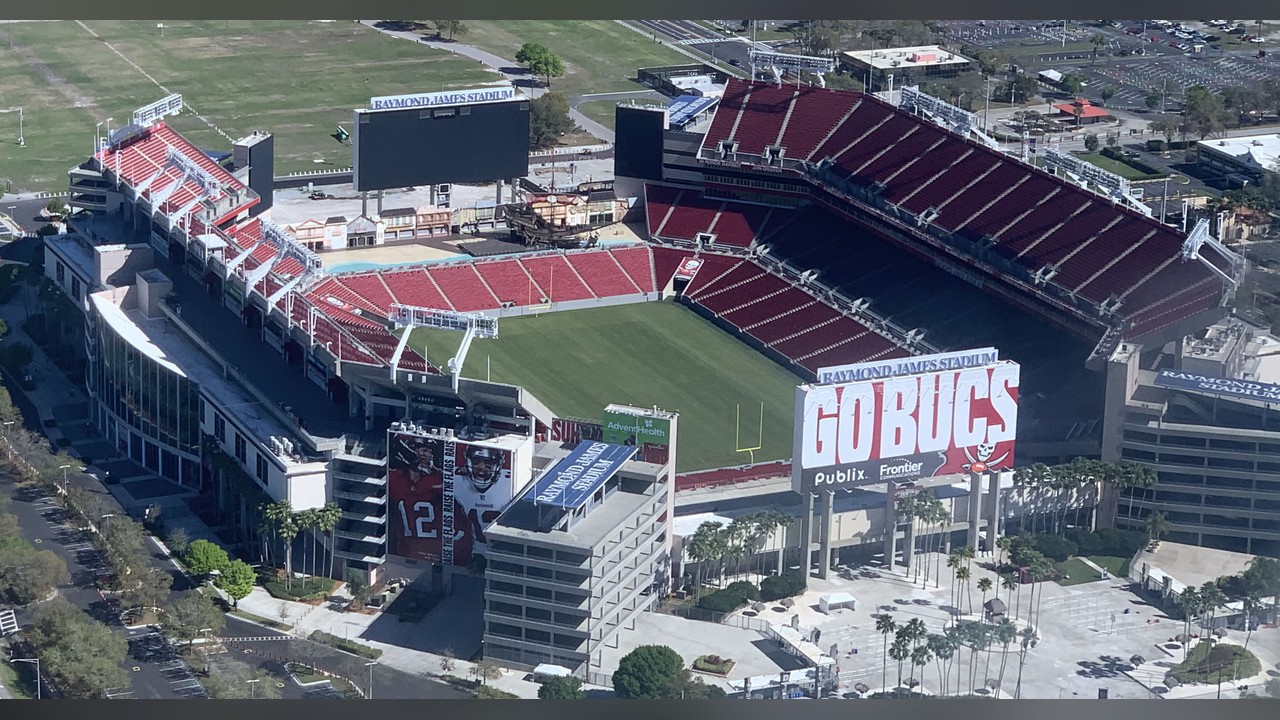
Infrastructure Priority and Political Friction: The Strategic Pivot of Raymond James Stadium
The Tampa Sports Authority (TSA) has shifted its strategic focus to prioritize the interests of the Tampa Bay Buccaneers over the Tampa Bay Rays in the ongoing competition for stadium funding and development. This prioritization occurs amidst a volatile operational environment characterized by high-profile political pressure regarding venue bookings and technical concerns over surface quality for international sporting events.
Market and Global Impact
The TSA’s decision to prioritize Raymond James Stadium creates a hierarchical disparity in the regional sports economy, potentially stalling the momentum for a new Tampa Bay Rays facility. By signaling a preference for the Buccaneers’ home ground, the TSA is aligning its resource allocation with the NFL asset, which serves as a primary economic engine for the region.
On a global scale, the stadium’s utility as a hub for international football has come under scrutiny. The appointment of Thomas Tuchel as England manager has brought immediate attention to the venue’s infrastructure. Tuchel has explicitly voiced “concern” and “worry” regarding the pitch quality at Raymond James Stadium ahead of England’s World Cup warm-up fixtures. For a UK audience, this highlights a critical failure in surface standards required for elite-level international football, potentially impacting player safety and performance during high-stakes preparation.
Simultaneously, the venue has become a flashpoint for American political discourse. Senator Rick Scott has intervened in the stadium’s commercial operations, demanding the cancellation of concerts by Ye (Kanye West) scheduled for June 26 and 29. Scott cited reasons include West’s “vile” remarks and their perceived impact on the state’s Jewish community. This intersection of public venue management and political censorship underscores the precarious nature of stadium revenue streams when they clash with legislative agendas.
Data Analysis: Operational and Political Pressure Points
The following table delineates the current stressors affecting the management and reputation of Raymond James Stadium.
| Pressure Vector | Primary Driver | Impact/Status | Stakeholders Involved |
|---|---|---|---|
| Capital Allocation | TSA Strategic Shift | Prioritization of Bucs over Rays | TSA, TB Buccaneers, TB Rays |
| Infrastructure | Pitch Quality | Concerns over World Cup prep | Thomas Tuchel, England National Team |
| Political/Social | Ye Concerts | Calls for cancellation | Senator Rick Scott, Ye |
| Traffic/Usage | Volume Metrics | High Volume | General Public, Local Infrastructure |
The TSA’s current trajectory is formalized through a pending letter to county leaders. This document, currently being drafted and reviewed by board members, serves as the official mechanism to codify the prioritization of Raymond James Stadium over the proposed Rays stadium project.
Forward Outlook
The immediate future of Raymond James Stadium is defined by three critical variables: the resolution of the “stadium dollars” dispute, the remediation of the pitch surface, and the final decision on the June concert dates.
If the TSA successfully secures prioritized funding for the Buccaneers’ venue, the Tampa Bay Rays may face prolonged uncertainty regarding their own facility, potentially impacting the franchise’s long-term valuation and stability. The high volume of traffic metrics indicates that while the venue is a high-demand asset, its capacity to maintain elite standards—specifically the pitch quality demanded by the England squad—remains a liability.
Politically, the venue’s management faces a binary choice regarding the Ye concerts. Adhering to Senator Rick Scott’s demands would signal a susceptibility to legislative pressure, while proceeding with the events could exacerbate friction with state leadership.
For international observers and the UK sporting community, the primary metric of success for the venue will be the physical state of the grass. Should the pitch quality fail to meet Tuchel’s requirements, it may diminish the stadium’s viability for future high-profile international football fixtures, regardless of the financial prioritization granted by the Tampa Sports Authority.