
Analysis: Menopause and HRT Changing Paradigms
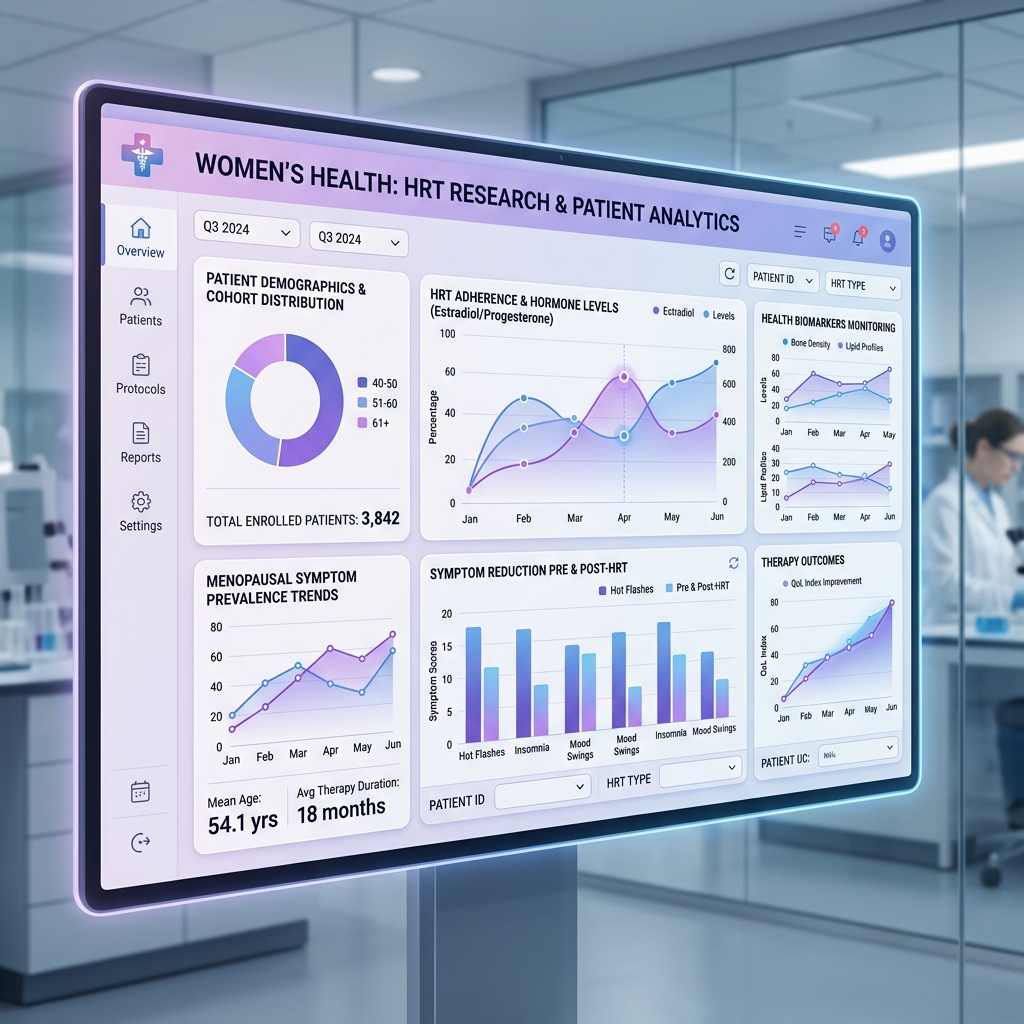
Paradigm Shift: The Global Reevaluation of Hormone Replacement Therapy (HRT)
The Lede
For over two decades, the discourse surrounding Hormone Replacement Therapy (HRT) for menopausal women was dominated by fear, stemming from the highly publicized—and subsequently highly criticized—2002 Women’s Health Initiative (WHI) study. Today, a global paradigm shift is underway. Medical establishments, leading endocrinologists, and national health services are aggressively rewriting clinical guidelines, re-embracing HRT as a critical, safe, and highly effective intervention for millions of women globally.
Market/Global Impact
The economic implications of untreated menopausal symptoms are staggering. A recent macroeconomic analysis estimates that menopause-related productivity losses and medical expenses cost the global economy upwards of $150 billion annually. Symptoms such as severe vasomotor instability (hot flashes), cognitive fog, and disrupted sleep force a significant percentage of women out of the workforce at the peak of their earning potential and executive experience.
The normalization and increased prescription rates of HRT are catalyzing a surge in the women’s health sector (“FemTech”). Pharmaceutical giants and agile biotech startups are racing to develop novel delivery mechanisms—such as transdermal sprays, micronized progesterone, and targeted neurokinin 3 (NK3) receptor antagonists—creating a rapidly expanding multi-billion-dollar market segment that was previously stagnant.
Data Analysis
The recalibration of medical guidelines is driven by a massive influx of updated clinical data demonstrating that for healthy women entering menopause, the benefits of HRT dramatically outweigh the risks.
Efficacy of HRT vs. Alternative Therapies
| Symptom Category | HRT Efficacy (Symptom Reduction) | SSRI/SNRI Efficacy | Placebo / Lifestyle |
|---|---|---|---|
| Severe Vasomotor Symptoms | 85% - 95% | 40% - 50% | 20% - 30% |
| Sleep Architecture Disruption | 70% - 80% | 35% - 45% | 15% - 25% |
| Bone Density Loss (Osteoporosis) | Highly Protective | Minimal Impact | Minimal Impact |
Global Prescription Trends (YoY Growth)
- United Kingdom: +32% (Driven by robust public awareness campaigns and NHS policy shifts)
- United States: +18% (Slowed slightly by fragmented healthcare delivery)
- Australia: +24%
Forward Outlook
The trajectory for the HRT and menopausal therapeutics market points toward intense innovation and personalization. Over the next 36 months, expect to see the rollout of AI-driven precision dosing models that tailor hormone ratios to individual genetic and metabolic profiles.
Furthermore, as corporate wellness programs increasingly recognize menopause as a critical occupational health issue, institutional insurance coverage for premium HRT formulations will expand. This represents a massive commercial opportunity for pharmaceutical developers and a profound improvement in the quality of life and economic retention for women globally.