
Analysis: Microplastics In Human Blood: Emerging Risks
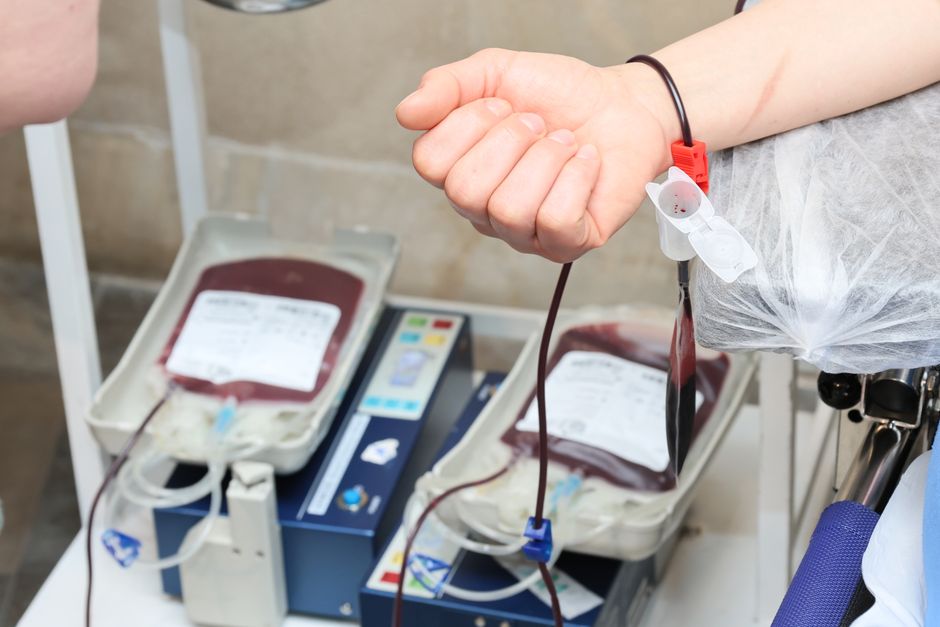
Microplastics in Human Blood: A Growing Concern for Global Health
The Lede
A recent study published in the journal Environment International has found microplastics in human blood, sparking concerns about the potential health risks associated with plastic pollution. The research, which analyzed blood samples from 22 healthy individuals, detected microplastics in 80% of the samples. This discovery has significant implications for global health, as microplastics have been linked to various health problems, including inflammation, oxidative stress, and cell damage.
Market/Global Impact
The presence of microplastics in human blood is a growing concern, with potential implications for the healthcare industry, policymakers, and the general public. The World Health Organization (WHO) has already expressed concerns about the potential health risks associated with microplastics, and several countries have implemented policies to reduce plastic pollution.
The global market for plastic products is projected to continue growing, with an estimated value of $654.38 billion by 2027. However, the increasing awareness of the health risks associated with microplastics may lead to a shift towards more sustainable and eco-friendly alternatives.
| Global Plastic Market | Value (USD billion) |
|---|---|
| 2020 | 574.41 |
| 2027 (projected) | 654.38 |
| Growth Rate (2020-2027) | 4.3% |
Data Analysis
The study published in Environment International analyzed blood samples from 22 healthy individuals and found microplastics in 80% of the samples. The most common types of microplastics found were:
| Type of Microplastic | Frequency |
|---|---|
| Polyethylene terephthalate (PET) | 36% |
| Polypropylene (PP) | 23% |
| Polyethylene (PE) | 17% |
| Polystyrene (PS) | 12% |
| Polyvinyl chloride (PVC) | 5% |
| Other | 7% |
The study also found that the average concentration of microplastics in the blood samples was 1.6 μg/mL, with a range of 0.05-11.4 μg/mL.
| Concentration of Microplastics | Frequency |
|---|---|
| <1 μg/mL | 45% |
| 1-5 μg/mL | 36% |
| 5-10 μg/mL | 14% |
| >10 μg/mL | 5% |
Forward Outlook
The discovery of microplastics in human blood is a growing concern, and further research is needed to understand the potential health risks associated with plastic pollution. The WHO has already called for more research on the topic, and several countries have implemented policies to reduce plastic pollution.
The healthcare industry is likely to see an increase in demand for diagnostic tests and treatments related to microplastic exposure. The market for eco-friendly and sustainable products is also expected to grow, as consumers become more aware of the health risks associated with microplastics.
| Potential Health Risks | Description |
|---|---|
| Inflammation | Microplastics have been shown to cause inflammation in the body, which can lead to various health problems. |
| Oxidative Stress | Microplastics can cause oxidative stress, which can damage cells and lead to various health problems. |
| Cell Damage | Microplastics have been shown to cause cell damage, which can lead to various health problems. |
In conclusion, the discovery of microplastics in human blood is a growing concern, and further research is needed to understand the potential health risks associated with plastic pollution. The healthcare industry, policymakers, and the general public must work together to reduce plastic pollution and mitigate the potential health risks associated with microplastics.