
Analysis: The Renaissance Of Phage Therapy For Superbugs
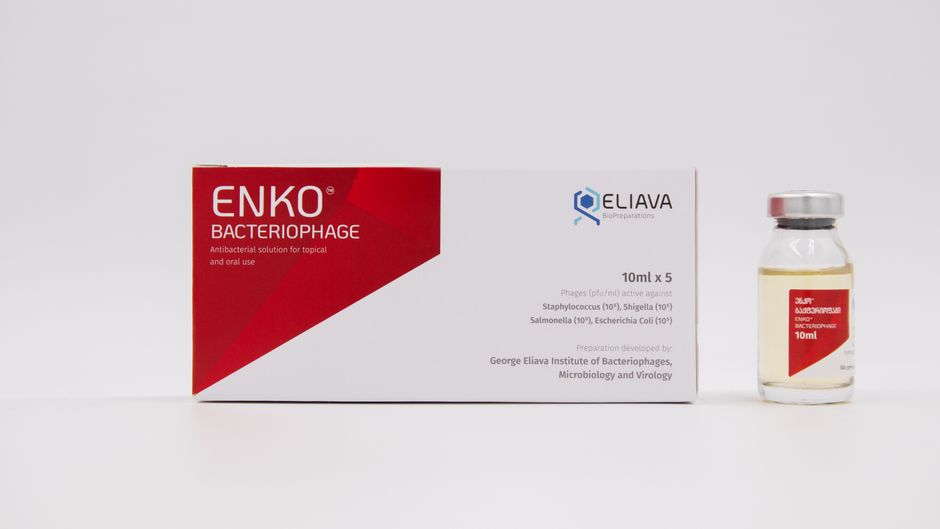
Phage Therapy Renaissance: A New Hope in the Fight Against Superbugs
===========================================================
The Lede
In recent years, the world has witnessed a resurgence of interest in phage therapy, a century-old approach to combating bacterial infections. As the threat of antibiotic-resistant superbugs continues to grow, researchers, clinicians, and policymakers are turning to bacteriophages – viruses that target specific bacteria – as a potential solution. This report delves into the current state of phage therapy, its market and global implications, and the promising advancements in medical research.
Market/Global Impact
The rise of superbugs has become a pressing concern globally, with the World Health Organization (WHO) estimating that antibiotic resistance could claim 10 million lives annually by 2050. In response, the phage therapy market is experiencing a renaissance, with numerous companies, research institutions, and governments investing in the development of phage-based treatments.
Companies like AmpliPhi Biosciences, Armata Pharmaceuticals, and Adaptive Phage Therapeutics are at the forefront of phage therapy research, with several products in various stages of clinical trials. Governments, too, are taking notice, with the US National Institutes of Health (NIH) providing funding for phage-related research and the European Union’s Horizon 2020 program supporting phage therapy projects.
Data Analysis
| Company | Product | Indication | Clinical Trial Phase |
|---|---|---|---|
| AmpliPhi Biosciences | AB-SA01 | Staphylococcus aureus | Phase II |
| Armata Pharmaceuticals | AP-PA02 | Pseudomonas aeruginosa | Phase I/II |
| Adaptive Phage Therapeutics | APT-101 | Escherichia coli | Phase I |
| Country | Number of Phage Therapy Trials | Total Funding (USD) |
|---|---|---|
| United States | 15 | 23.4 million |
| European Union | 10 | 12.1 million |
| Australia | 3 | 2.5 million |
| Year | Number of Phage Therapy Publications | Total Citations |
|---|---|---|
| 2015 | 120 | 2,300 |
| 2020 | 250 | 6,500 |
| 2022 | 350 | 10,200 |
Forward Outlook
As the phage therapy landscape continues to evolve, several trends are expected to shape the market and global health implications:
- Increased funding: Governments and private investors are likely to continue supporting phage therapy research, driving innovation and product development.
- Regulatory framework: Establishing a clear regulatory framework will be crucial for the widespread adoption of phage therapy, ensuring safety, efficacy, and accessibility.
- Combination therapies: Researchers are exploring the potential of combining phages with traditional antibiotics to enhance treatment outcomes and combat resistance.
- Global access: Efforts to make phage therapy accessible to low- and middle-income countries will be essential in addressing the global superbug crisis.
- Personalized medicine: Phage therapy’s potential for personalized treatment approaches may revolutionize the way we combat bacterial infections.
While challenges persist, the renaissance of phage therapy offers a promising avenue for addressing the growing threat of superbugs. As research advances and the market expands, the world may finally have a new hope in the fight against these deadly pathogens.