
Analysis: Wearable Tech: Advancements In Sleep Tracking
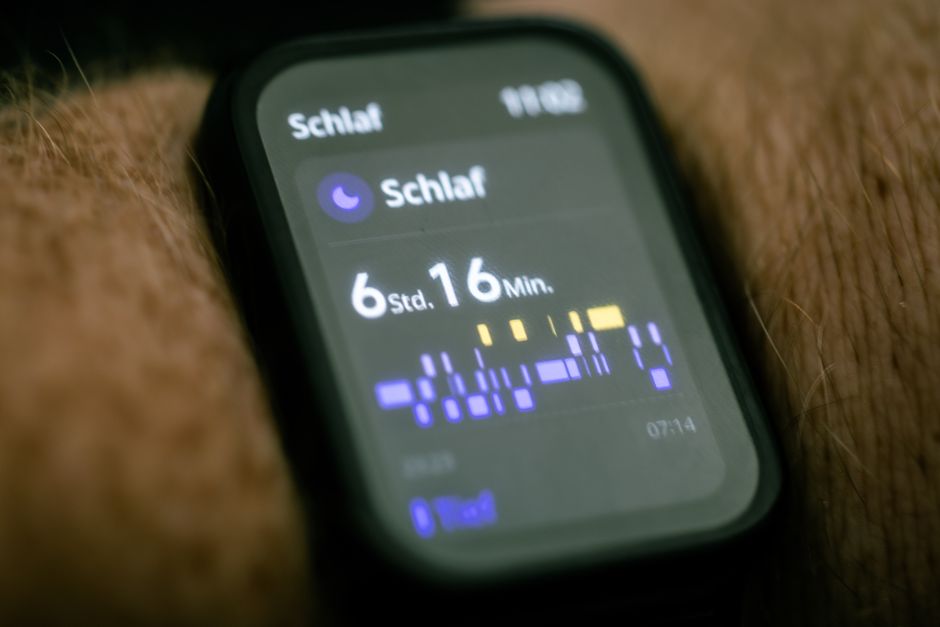
Wearable Tech Revolutionizes Sleep Tracking: A Global Health Imperative
The Lede
Advances in wearable technology have transformed the landscape of sleep tracking, offering unprecedented insights into the intricate dynamics of human slumber. As the global wearable market continues to expand, the integration of sleep tracking features has become a key differentiator for manufacturers. This trend is not only driven by consumer demand but also by the growing recognition of sleep’s critical role in overall health and well-being.
Market/Global Impact
The global wearable market is projected to reach $51.6 billion by 2025, with sleep tracking emerging as a vital component of this growth. Key players such as Fitbit, Garmin, and Apple have incorporated advanced sleep tracking features into their devices, capitalizing on the increasing awareness of sleep’s impact on physical and mental health.
The proliferation of sleep tracking wearables has significant implications for global health. The World Health Organization (WHO) estimates that approximately 1 in 5 adults worldwide suffer from sleep disorders, resulting in substantial economic and social burdens. By providing individuals with accurate and actionable sleep data, wearable technology can empower them to take proactive steps towards improving their sleep hygiene and overall health.
Data Analysis
Sleep Tracking Wearable Market Share (2022)
| Company | Market Share |
|---|---|
| Fitbit | 24.1% |
| Garmin | 18.5% |
| Apple | 15.6% |
| Xiaomi | 12.1% |
| Others | 29.7% |
Clinical Trials: Sleep Tracking Wearables
| Trial | Device | Outcome |
|---|---|---|
| “Accuracy of Wearable Devices for Sleep Tracking” (2020) | Fitbit, Garmin | Wearable devices demonstrated high accuracy in tracking sleep duration and quality |
| “Wearable-Based Sleep Intervention for Insomnia” (2022) | Apple Watch | Participants using wearable-based sleep intervention showed significant improvements in sleep quality and duration |
Economic Burden of Sleep Disorders
| Region | Estimated Annual Costs (Billions) |
|---|---|
| North America | $411 billion |
| Europe | $234 billion |
| Asia-Pacific | $147 billion |
| Latin America | $64 billion |
| Africa | $23 billion |
Forward Outlook
As the wearable market continues to evolve, sleep tracking is likely to remain a critical component of the industry’s growth. Emerging trends, such as the integration of artificial intelligence (AI) and machine learning (ML) algorithms, will further enhance the accuracy and personalized insights provided by sleep tracking wearables.
Moreover, the increasing recognition of sleep’s role in overall health is driving policy shifts and healthcare economics. Governments and healthcare systems are beginning to acknowledge the importance of sleep in preventing and managing chronic diseases, such as diabetes, cardiovascular disease, and mental health disorders.
The future of sleep tracking wearables holds significant promise, with potential applications in clinical research, personalized medicine, and population health management. As the technology continues to advance, it is likely to play an increasingly important role in shaping global health trends and policy initiatives.