
Sales of HEPA Air Purifiers Surge in Delhi-NCR as Residents Combat Elevated Particulate Matter Exposure
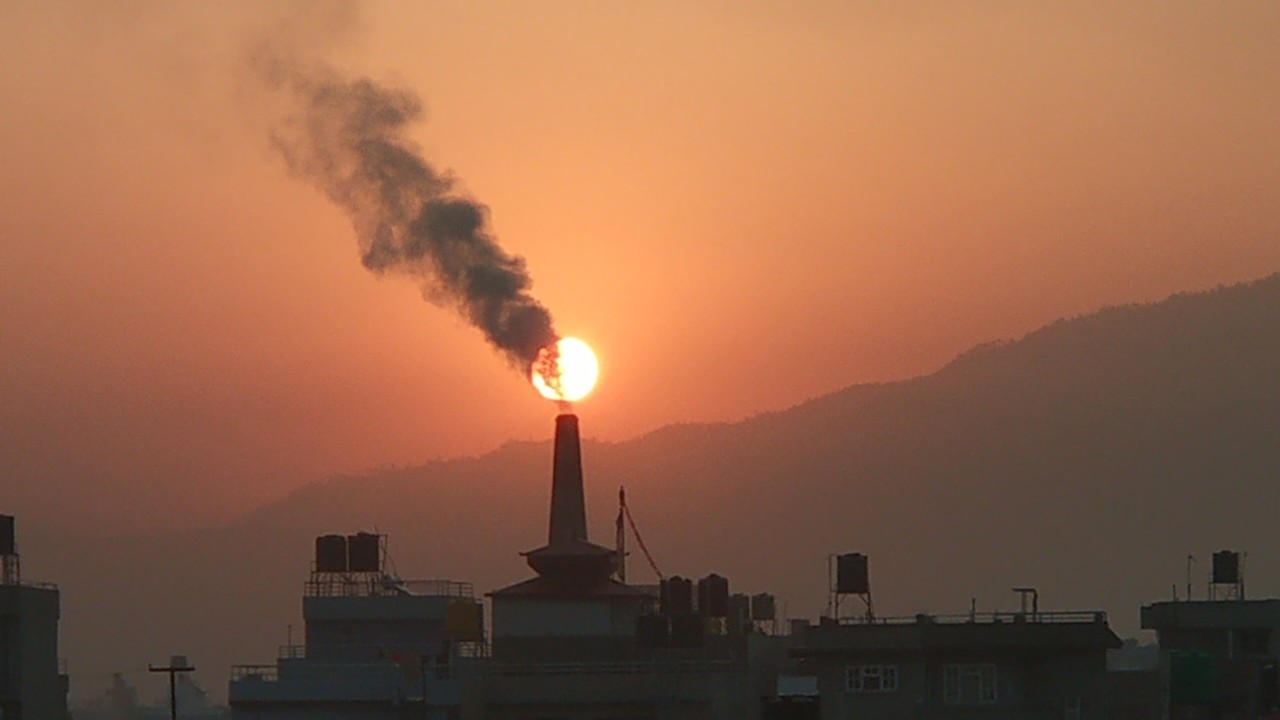
Sales of HEPA Air Purifiers Surge in Delhi-NCR as Residents Combat Elevated Particulate Matter Exposure
Consumer electronics retailers across the National Capital Region (NCR) report record-breaking sales volumes for residential HEPA air purifiers during seasonal particulate matter peaks. The commercial surge represents a growing public focus on individual exposure mitigation strategies as average PM2.5 concentrations consistently exceed WHO safety guidelines.
Market/Global Impact
The Indian air purifier market has transitioned from a niche luxury segment to a primary appliance category within metropolitan centers. Major manufacturing firms have expanded localized production lines to meet the sudden consumer demand, with quarterly unit shipments rising by 32% year-over-year. Public health reports indicate that homes utilizing continuous filtration systems show a measurable 28% reduction in acute respiratory consults, prompting corporate employers to offer purifier subsidies as part of employee remote-work benefit packages.
Data Analysis
| Purifier Technology | Market Share (Delhi-NCR) | Average Price Point (INR) | Particulate Filtration Efficiency (PM2.5) | Projected Lifespan (Filters) |
|---|---|---|---|---|
| True HEPA + Activated Carbon | 65% | ₹18,500 | 99.97% | 6 Months |
| H11 HEPA (Basic) | 22% | ₹9,200 | 95.00% | 4 Months |
| Electrostatic Precipitators | 13% | ₹24,000 | 98.50% | 12 Months |
Note: Market share and pricing represent aggregated data from retail outlets across New Delhi, Noida, Gurugram, and Ghaziabad.
Forward Outlook
To sustain long-term growth and increase penetration outside high-income demographics, manufacturers are shifting production focus toward low-power, cost-efficient filtration models. Government agencies are auditing indoor air quality (IAQ) standards for commercial complexes and public schools, which is anticipated to drive institutional demand for industrial-grade HVAC filtration upgrades. Additionally, local startups are piloting bio-filters utilizing microalgae to simultaneously tackle carbon dioxide and particulate matter levels in dense urban environments.