
Analysis: Dr Congo Vs Chile
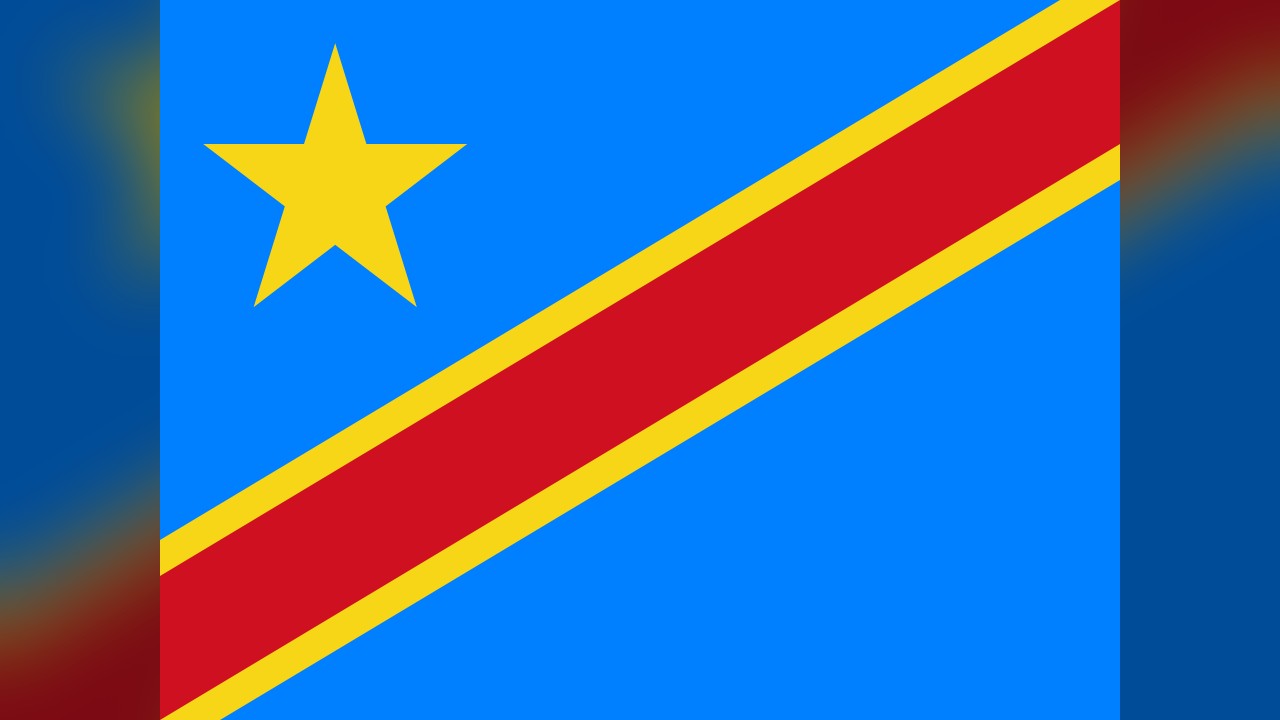
Logistics and Health Crisis Disrupt DR Congo-Chile World Cup Warm-up
The final FIFA international friendly between the Democratic Republic of Congo (DRC) and Chile, intended as a precursor to the 2026 World Cup, has been defined by geopolitical instability and health crises rather than athletic preparation. Originally scheduled to take place in Spain, the fixture was vetoed by Spanish authorities due to an Ebola outbreak in the DRC. Following the ban, the match was relocated to Orléans, France, and played without spectators.
Global Impact and Geopolitical Friction
The relocation of the DRC-Chile fixture underscores the intersection of global health security and international sports diplomacy. The decision by Spain to ban the match serves as a case study in the application of emergency health protocols over sporting commitments. For the DRC, the “veto” created a logistical vacuum, forcing the national team to seek alternative venues to ensure their World Cup preparations remained intact.
The shift to Orléans, France, reflects the necessity of neutral ground that satisfies stringent health screenings while maintaining the integrity of the FIFA international calendar. The absence of fans at the venue further highlights the risk-aversion strategy adopted by organizers in the wake of the Ebola concerns.
Tactical and Performance Analysis
While the match against Chile served as the final tune-up, the DRC’s trajectory leading into the 2026 World Cup has been characterized by defensive resilience. Prior to the Chile fixture, the DRC secured a 0-0 draw against Denmark in Belgium, signaling a capability to hold high-ranking European opposition to a stalemate.
Chile, under manager Córdova, utilized the fixture to implement significant tactical rotations (“ringing the changes”), treating the match as a laboratory for squad depth before the tournament.
Comparative Match Context
| Metric | DR Congo (DRC) | Chile |
|---|---|---|
| Primary Objective | World Cup Warm-up | World Cup Warm-up |
| Recent Form | 0-0 Draw vs. Denmark | Tactical Rotations (Córdova) |
| Venue Logistics | Relocated from Spain to Orléans | Relocated from Spain to Orléans |
| Constraint | Ebola Outbreak Restrictions | Squad Experimentation |
| Attendance | Zero (No fans permitted) | Zero (No fans permitted) |
Operational Disruption Timeline
The path to the Orléans fixture was marked by significant administrative volatility:
- Initial Phase: Match scheduled for Spain.
- Intervention: Spanish authorities ban the fixture citing the Ebola outbreak in the DRC.
- Crisis Management: DRC officials attempt to negotiate a solution to maintain the Spain fixture.
- Resolution: Match relocated to Orléans, France, played behind closed doors.
Forward Outlook
The DRC enters the 2026 World Cup with a defensive profile that has proven effective against European sides, as evidenced by the Denmark result. However, the psychological and physical toll of logistical instability—moving training camps and match venues due to health crises—remains an unquantified variable.
For Chile, the focus remains on the versatility of the squad. Córdova’s willingness to alter the lineup suggests a strategy of flexibility. The primary uncertainty for both nations lies in whether the lack of crowd atmosphere in Orléans accurately prepares them for the high-pressure environments of the World Cup.
The DRC’s ability to navigate the Ebola-related ban and secure a venue in France demonstrates a level of diplomatic persistence, but the operational friction preceding the tournament may impact their peak performance window.