
Analysis: Iran
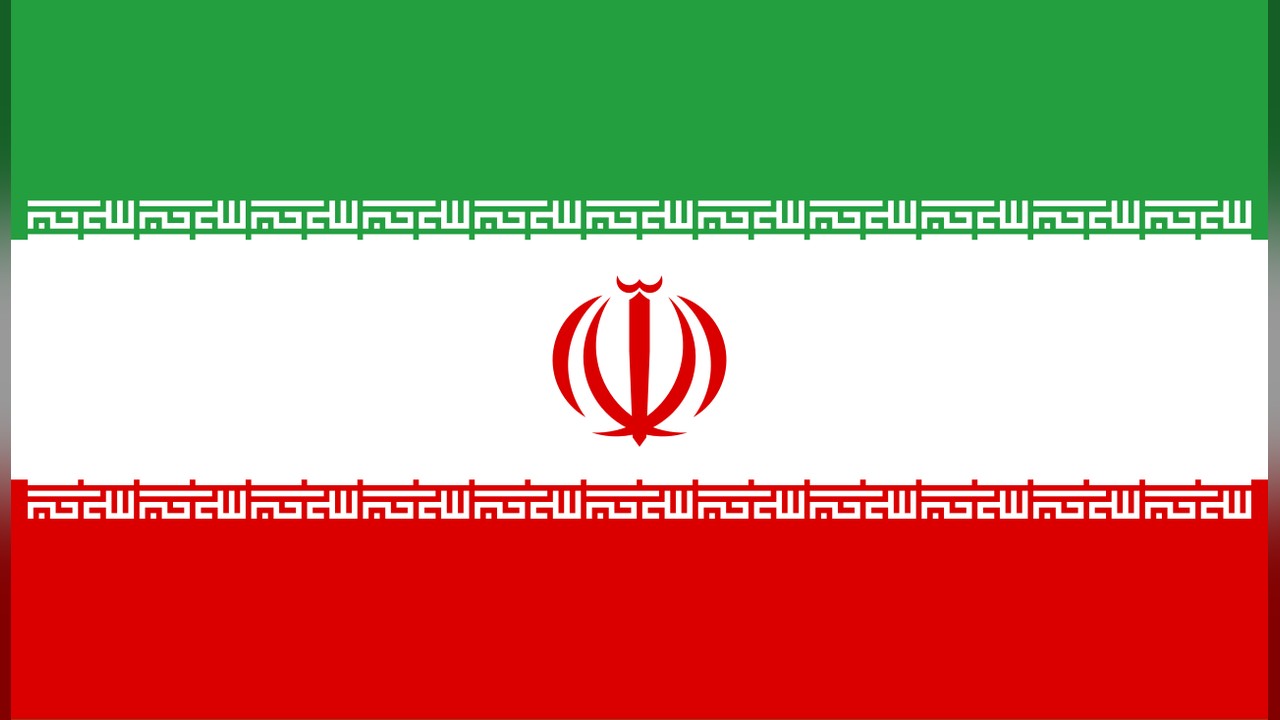
Tehran-Tel Aviv Escalation: Ballistic Missile Strikes Signal Collapse of De-escalation
Tehran has launched ballistic missiles at Israel, marking the first direct bombardment since the April ceasefire. The strike follows an Israeli offensive targeting the outskirts of Beirut, Lebanon, on Sunday. While the Israeli military confirmed the launch, there are currently no immediate reports of casualties or structural damage. The escalation occurs amid Iranian accusations that the United States has violated the existing ceasefire terms.
Market and Global Impact
The return to direct kinetic engagement between Iran and Israel introduces acute volatility into the Middle Eastern security architecture. For Indian interests, the primary concern remains the stability of energy corridors and the safety of the diaspora in the Levant.
The geopolitical friction is now intersecting with U.S. diplomatic intervention. Reports indicate that U.S. President Donald Trump is expected to urge Israeli Prime Minister Benjamin Netanyahu to refrain from launching a counter-attack. This suggests a strategic U.S. effort to prevent a full-scale regional war, even as the tactical reality on the ground shifts toward renewed aggression. The tension highlights a fragile equilibrium where localized strikes in Lebanon now trigger direct state-on-state missile exchanges.
Data Analysis: Conflict Sequence and Status
The following table delineates the immediate sequence of events leading to the current escalation.
| Event Trigger | Actor | Action | Target/Location | Result/Status |
|---|---|---|---|---|
| Initial Strike | Israel | Air/Ground Attack | Beirut Outskirts (Lebanon) | Prompted Iranian retaliation |
| Retaliation | Iran | Ballistic Missile Launch | Israel | Confirmed by Israeli Military |
| Diplomatic Shift | USA | Intervention | Israel (Netanyahu) | Urging against counter-attack |
| Casualty Report | N/A | Assessment | Israel | No immediate reports of injury/damage |
Strategic Metric Summary:
- Attack Vector: Ballistic Missiles.
- Ceasefire Status: Effectively breached/violated.
- Diplomatic Pressure: High (U.S. to Israel).
Forward Outlook
The immediate trajectory of the conflict depends on the Israeli Cabinet’s response to U.S. pressure. If Prime Minister Netanyahu adheres to President Trump’s urging to avoid a counter-attack, the conflict may settle into a period of “managed hostility.” However, the precedent of direct ballistic missile launches since the April ceasefire lowers the threshold for future engagements.
The Iranian narrative centers on U.S. ceasefire violations, suggesting that Tehran views its actions not as an initiation of war, but as a corrective response to Western-backed Israeli maneuvers in Lebanon.
For global observers and Indian strategic planners, the critical indicators to monitor are:
- Israeli Military Response: Whether the IDF ignores U.S. requests for restraint.
- U.S. Diplomatic Leverage: The efficacy of the Trump administration in stabilizing the Netanyahu government’s impulse for retaliation.
- Lebanese Stability: Whether the outskirts of Beirut remain a flashpoint for further Israeli incursions.
The absence of reported damage in the latest Iranian strike may provide a narrow diplomatic window to prevent total regional contagion, but the restoration of the April ceasefire remains uncertain.