
Analysis: Property Tax
The Global Property Tax Pivot: Fiscal Relief vs. Institutional Stability
The global landscape of property taxation is currently defined by a volatile tension between aggressive taxpayer relief and the preservation of essential public infrastructure. From the United States’ legislative pushes for record-breaking tax slashes to targeted corporate exemptions for sports megaprojects, governments are increasingly treating property tax as a political lever rather than a stable revenue stream. While these measures aim to lower the cost of living and attract investment, they risk dismantling critical safety nets and public services.
Market and Global Impact
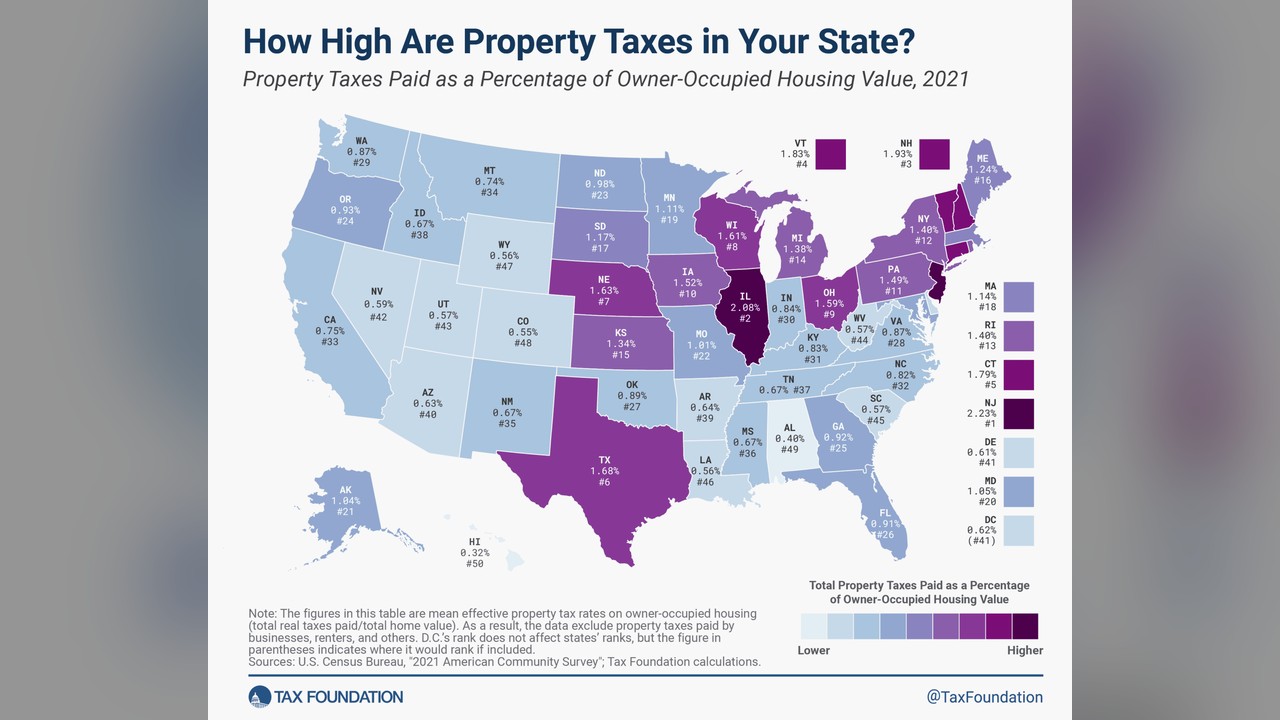
The shift toward property tax reduction is manifesting as a systemic risk to public funding models. In Texas, the legislative priority has shifted toward massive fiscal decompression, with a record $18 billion property tax relief package moving toward executive approval. This represents a significant reallocation of state capital intended to alleviate the burden on homeowners.
Conversely, the pursuit of total elimination—as seen in Florida’s proposed phased removals and a failed citizen-led initiative in Michigan—highlights a growing populist demand for the complete removal of real estate levies. However, the market impact of such moves is bifurcated. While lower taxes may theoretically increase short-term attractiveness for residents and investors, critics argue that the resulting erosion of public services—specifically children’s safety nets—could render regions less attractive in the long term.
Furthermore, the application of property tax relief is not limited to residential sectors. The “megaprojects” trend, exemplified by the Chicago Bears’ stadium proposal, demonstrates a strategic use of tax exemptions to subsidize private corporate ventures. By saving tens of millions of dollars annually over several decades, such arrangements shift the tax burden away from high-value corporate assets and onto the remaining tax base.
Data Analysis: Regional Tax Policy Divergence
The following table delineates the current status and scale of property tax interventions across key jurisdictions based on available intelligence.
| Jurisdiction | Policy Action | Fiscal Scale / Impact | Current Status |
|---|---|---|---|
| Texas | Property Tax Relief Package | $18 Billion | Passed; Pending Governor’s Signature |
| Florida | Phased Elimination Proposal | Potential loss of children’s safety nets | Proposed / Under Debate |
| Chicago | Megaprojects Bill | Tens of millions in annual savings (Bears Stadium) | Proposed / Legislative Review |
| Michigan | Total Elimination Initiative | N/A | Failed (Insufficient Signatures) |
Forward Outlook
The trajectory of property tax policy suggests a period of heightened instability for municipal budgets. The Texas model of large-scale relief packages indicates that state governments are willing to deploy billions to offset local tax burdens, but this creates a dependency on state-level surpluses.
In Florida, the debate over phased elimination will likely serve as a litmus test for the viability of “tax-free” residential models. The primary conflict remains the trade-off between immediate liquidity for homeowners and the long-term solvency of social services. If the “catastrophic” outcomes predicted by advocates for children’s services materialize, a policy reversal may be inevitable.
Simultaneously, the trend of corporate tax exemptions for large-scale infrastructure (megaprojects) is expected to proliferate. As cities compete for prestige assets and sports franchises, the erosion of the commercial property tax base will likely accelerate, forcing municipalities to either raise residential rates or further reduce public spending.
The failure of the Michigan ballot initiative suggests a ceiling to the populist appetite for total elimination when faced with the procedural rigor of the law. However, the overarching trend remains clear: property tax is no longer viewed as a static utility but as a dynamic tool for political signaling and economic engineering.