
Groundwater Scarcity in Punjab: A Satellite Perspective
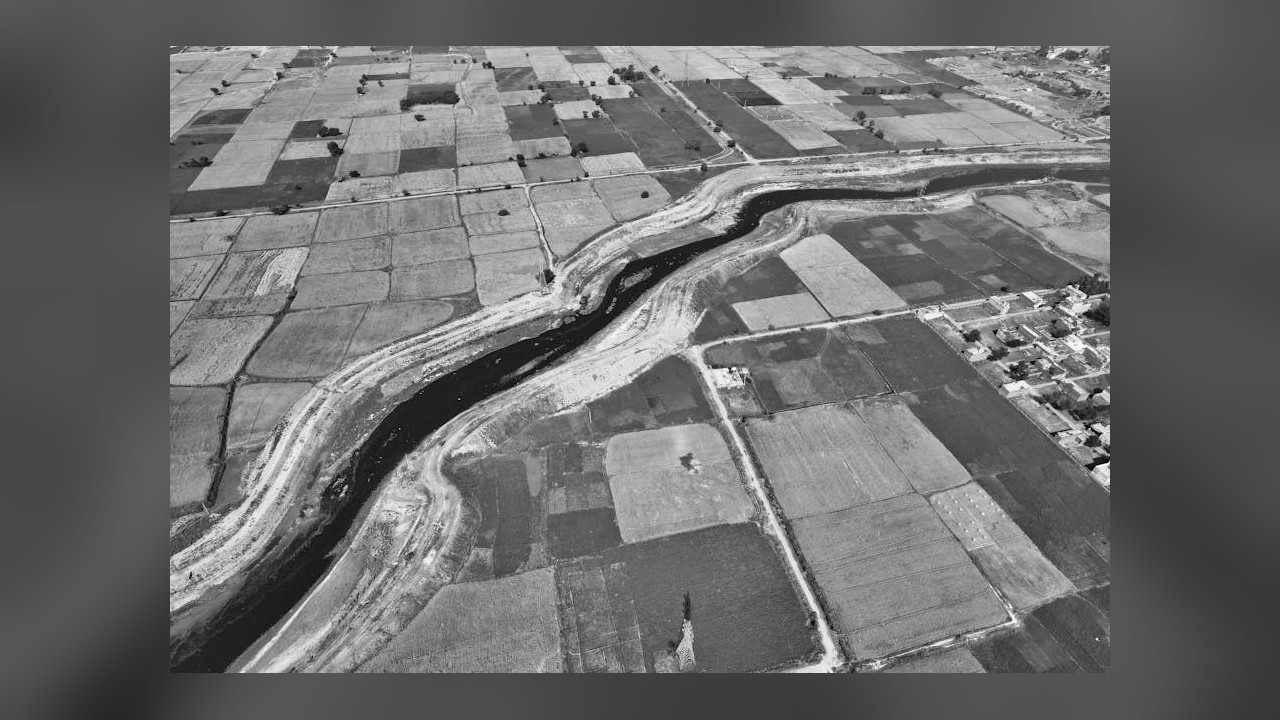
Groundwater Scarcity in Punjab: A Satellite Perspective
Punjab’s fertile plains, often referred to as the “breadbasket of India,” are facing a pressing crisis. Groundwater scarcity, exacerbated by the state’s arid climate and intensive agricultural practices, threatens the region’s agricultural backbone. Recent collaborations between ISRO and state agricultural departments aim to mitigate this issue through satellite-based crop monitoring.
Satellite Crop Telemetry: A Technological Lifeline
By leveraging remote sensing data, ISRO’s satellite-based crop monitoring system provides valuable insights into water consumption and depletion rates across Punjab’s wheat belt. This cutting-edge technology enables policymakers to make informed decisions, ensuring the long-term sustainability of the region’s agricultural sector.
Groundwater Depletion: A Grim Reality
According to data from the Central Ground Water Board (CGWB), Punjab’s groundwater level has declined by an alarming 3-4 meters between 2000 and 2019. The state’s water table is projected to deplete by an additional 2-3 meters by 2025, posing significant risks to agricultural productivity and food security.
| Year | Groundwater Level (m) | Projected Depletion (m) |
|---|---|---|
| 2000 | 12.5 | - |
| 2019 | 9.2 | -3-4 |
| 2025 (proj.) | 6.2 | -2-3 |
Economic Implications
The economic implications of groundwater scarcity in Punjab are far-reaching. With a decline in agricultural productivity, the state’s GDP growth rate is expected to slow, potentially affecting the overall Indian economy. Furthermore, the depletion of groundwater resources will lead to increased costs for farmers, who will need to rely on expensive groundwater extraction methods.
“The Punjab government’s collaboration with ISRO is a welcome step, but we need to ensure that the data collected is translated into actionable policies. Farmers are the backbone of our economy, and it’s our responsibility to provide them with the necessary support to adapt to changing environmental conditions.” – Anonymous Agricultural Expert
Policy Recommendations
To address the groundwater scarcity crisis in Punjab, policymakers must prioritize the following:
- Implement efficient irrigation systems: Promote the adoption of drip irrigation and other water-saving technologies to minimize water consumption.
- Enforce water conservation laws: Strengthen regulations to prevent over-extraction of groundwater and ensure that farmers adhere to prescribed water usage limits.
- Invest in crop diversification: Encourage farmers to cultivate water-efficient crops, reducing the pressure on Punjab’s already-strained groundwater resources.
As the situation in Punjab continues to deteriorate, it is essential that policymakers and stakeholders work together to implement effective solutions. The future of India’s agricultural sector hangs in the balance, and the clock is ticking.