
Analysis: Africa
Contagion and Crisis: Ebola Outbreak and Governance Gaps Threaten African Stability
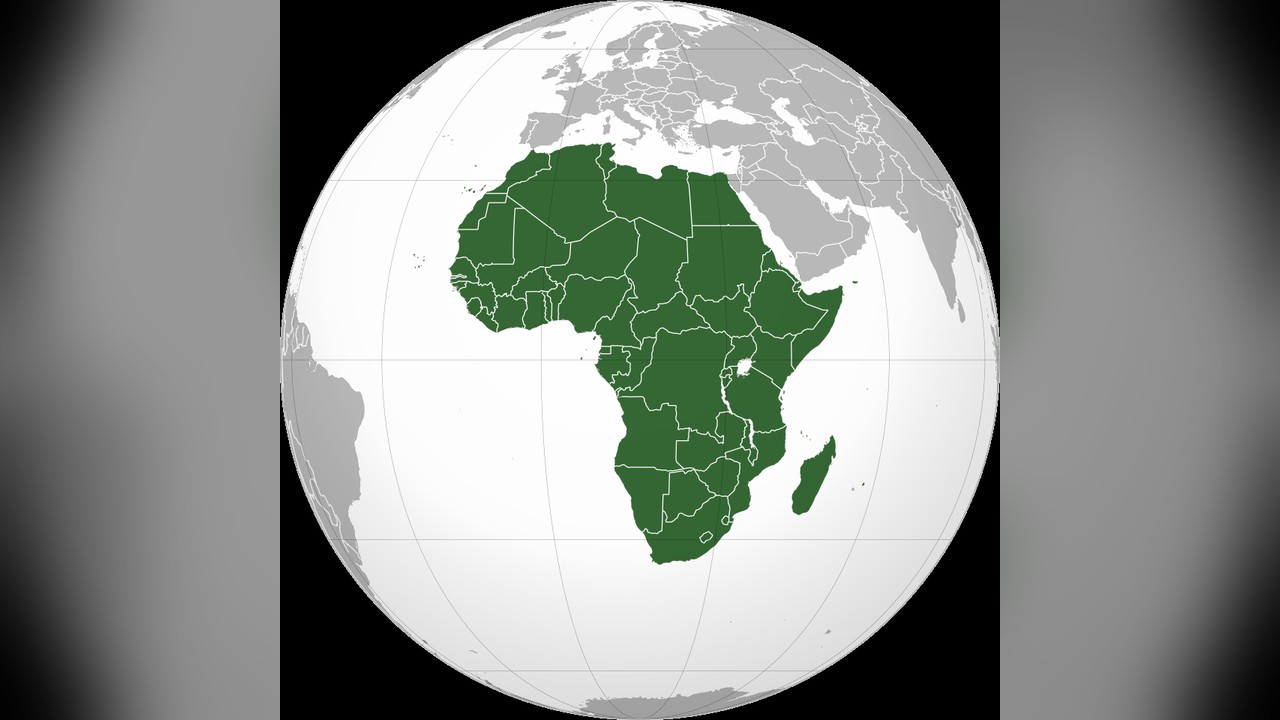
The African continent is currently confronting a dual crisis of public health instability and systemic leadership failure in governance. The Africa Centres for Disease Control and Prevention (Africa CDC) has issued a high-alert warning that 10 countries are at risk as an Ebola outbreak spreads across Central and East Africa. This epidemiological threat is coinciding with a broader leadership crisis characterized by persistent conflict, inequality, and poor governance, complicating the continent’s ability to coordinate a unified response to biological threats.
Global Impact and Diplomatic Friction
The Ebola outbreak has already triggered immediate disruptions in international diplomacy and strategic partnerships. The India-Africa Forum Summit, a key vehicle for South-South cooperation and economic alignment, has been postponed. The decision, coordinated between the Indian government and the African Union, underscores the capacity of regional health crises to freeze high-level bilateral engagements and stall geopolitical initiatives.
Simultaneously, the perception of African governance is being viewed through a new lens of global political volatility. While the United States has historically criticized African “strongmen” and the phenomenon of state capture, current domestic political developments in the U.S.—specifically involving the Trump IRS settlement and the establishment of a $1.8 billion anti-weaponization fund—have drawn sharp comparisons to the very governance failures the U.S. previously lectured African nations to avoid. This shift in narrative threatens to erode the moral leverage of Western diplomatic pressure regarding African institutional reform.
Risk Assessment and Governance Metrics
The current landscape is defined by a collision of biological risk and structural fragility. The following table delineates the primary drivers of instability identified in current intelligence.
| Risk Factor | Primary Driver | Immediate Consequence | Strategic Impact |
|---|---|---|---|
| Epidemiological | Ebola Spread (Central/East Africa) | 10 countries identified as high-risk | Postponement of India-Africa Forum Summit |
| Political | Leadership Crisis | Systemic poor governance | Delayed progress on development goals |
| Structural | Colonial Legacies | Persistent inequality and conflict | Erosion of institutional stability |
| Diplomatic | U.S. Internal Political Shifts | Comparison of “state capture” models | Diminished Western lecturing authority |
Analytical Breakdown: The Governance Gap
The intersection of the Ebola outbreak and the continent’s leadership crisis reveals a critical vulnerability: the inability to move beyond symbolic milestones. As “Africa Day” approaches, there is an urgent internal demand for visionary leadership to replace the current cycle of conflict and inequality.
The data suggests that the “colonial legacy” is no longer a standalone historical grievance but a functional barrier to progress. When combined with poor governance, these legacies hinder the rapid deployment of health infrastructure necessary to contain the 10-country Ebola risk zone. The lack of visionary leadership transforms a manageable health event into a systemic threat that disrupts international summits and economic forums.
Forward Outlook
The immediate trajectory for the region depends on the Africa CDC’s ability to contain the Ebola spread before it penetrates the 10 at-risk nations. However, the biological threat is a symptom of a deeper institutional malaise.
Short-term stability is contingent upon:
- Containment: Preventing the transition of “at-risk” countries into “active outbreak” zones.
- Diplomatic Rescheduling: The eventual reconvening of the India-Africa Forum Summit to restore economic momentum.
- Leadership Reform: A shift from celebratory rhetoric during Africa Day to the implementation of governance frameworks that address inequality and state capture.
Failure to address the leadership vacuum will likely result in prolonged economic stagnation and a heightened susceptibility to future pandemics. The current convergence of health crises and governance failures suggests that without a fundamental shift in leadership, Africa’s progress will remain delayed regardless of external diplomatic support.