
Analysis: Beef
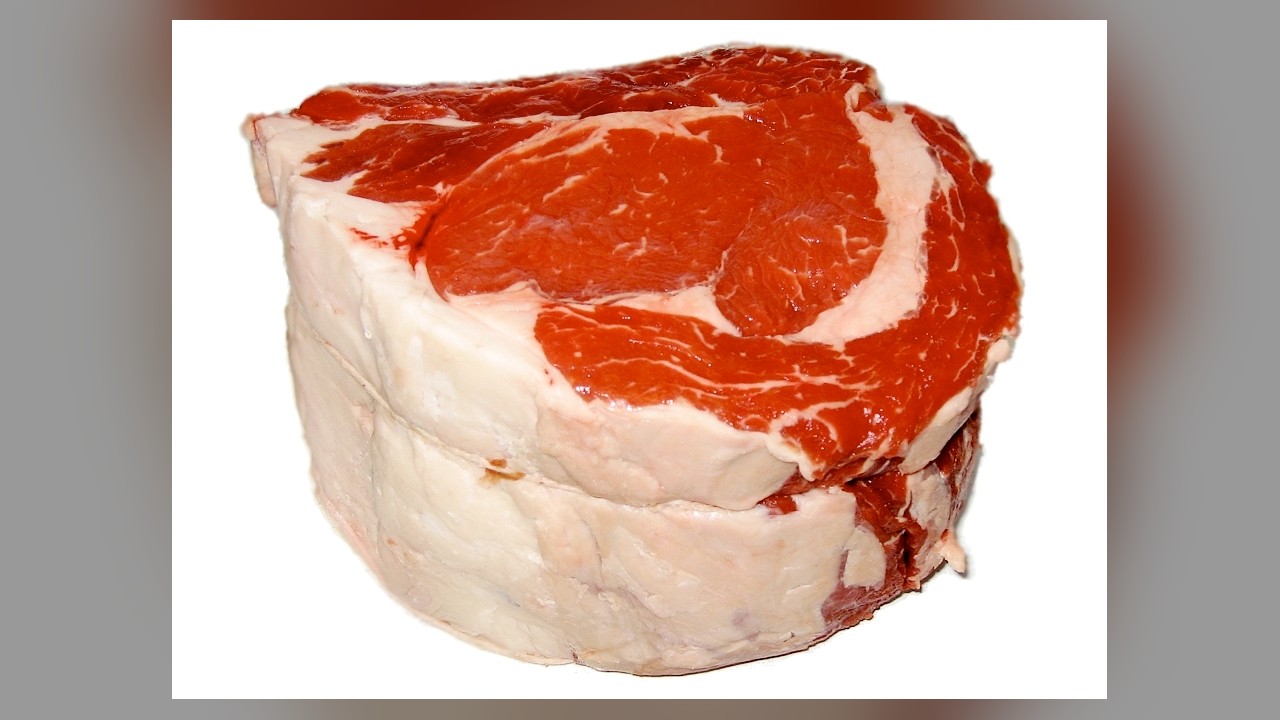
Beef Markets Hit Record Highs as Supply Constraints and Tariffs Pressure Consumers
U.S. beef prices have surged to record levels, with ground beef in the Northeast approaching $7 per pound and premium cuts like ribeye reaching nearly $22 per pound. This inflationary trend coincides with global trade frictions and rigid quota systems that limit the efficacy of new international agreements, leaving domestic consumers to absorb the cost of a tightening market.
Market and Global Impact
The global beef trade remains constrained despite diplomatic efforts to expand market access. A recent agreement between Australia and the European Union, concluded in late March, aims to restructure trade flows by eliminating the 20% tariff previously applied to beef under the Hilton Quota (3,389 tonnes) and introducing a new quota of 30,600 tonnes.
However, the strategic utility of this deal is questioned. The agreement includes a 10-year phase-in period, a timeline that analysts suggest will provide limited immediate benefits for Australian exporters. This sluggish integration of global supply fails to provide the rapid relief necessary to offset the pricing volatility seen in major consuming markets, including the United States.
Data Analysis: Price Volatility and Trade Metrics
The current pricing environment is characterized by sharp month-over-month increases and significant year-over-year inflation. In the Northeast region of the U.S., ground beef prices have experienced a rapid ascent, reflecting broader systemic pressures on the protein supply chain.
Table 1: Northeast U.S. Ground Beef Price Trends (April Data)
| Metric | Value | Change/Comparison |
|---|---|---|
| Average Price per Pound | $6.90 | N/A |
| Monthly Increase | — | ~8% (from previous month) |
| Annual Increase | — | >21% (year-over-year) |
Table 2: Premium Cut and Trade Quota Benchmarks
| Item/Quota | Metric | Value/Status |
|---|---|---|
| Ribeye Steak | Retail Price | ~$22.00 per pound |
| Hilton Quota (EU/AUS) | Volume | 3,389 tonnes |
| New EU/AUS Quota | Volume | 30,600 tonnes |
| EU/AUS Tariff Reduction | Rate | 20% elimination |
The data indicates a bifurcated market. While ground beef—a staple commodity—is seeing double-digit annual inflation, premium cuts are hitting price ceilings that challenge consumer affordability. The 21% year-over-year jump in ground beef prices suggests that inflation is not limited to luxury cuts but is permeating the entire product category.
Forward Outlook
The trajectory for beef pricing remains bullish in the short term. The 10-year phase-in period for the Australia-EU trade deal ensures that global supply adjustments will be incremental rather than immediate, offering no swift correction to current price spikes.
As retail prices for staples like ground beef approach the $7 threshold and ribeye remains near $22, consumer behavior is shifting toward cost-mitigation strategies. This is evidenced by a rising interest in budget-friendly, high-volume recipes designed to maximize the utility of single-pound purchases. Additionally, there is an emerging trend toward culinary modifications—such as the use of baking soda solutions to alter meat texture—as consumers attempt to extract maximum value from increasingly expensive proteins.
Unless global trade mechanisms accelerate their phase-in periods or domestic supply shocks are mitigated, the U.S. market should expect sustained price pressure. The disconnect between new trade agreements and actual market availability suggests that the “record high” pricing environment is not a temporary spike, but a reflection of structural limits in the global beef trade.