
Analysis: Benjamin Netanyahu
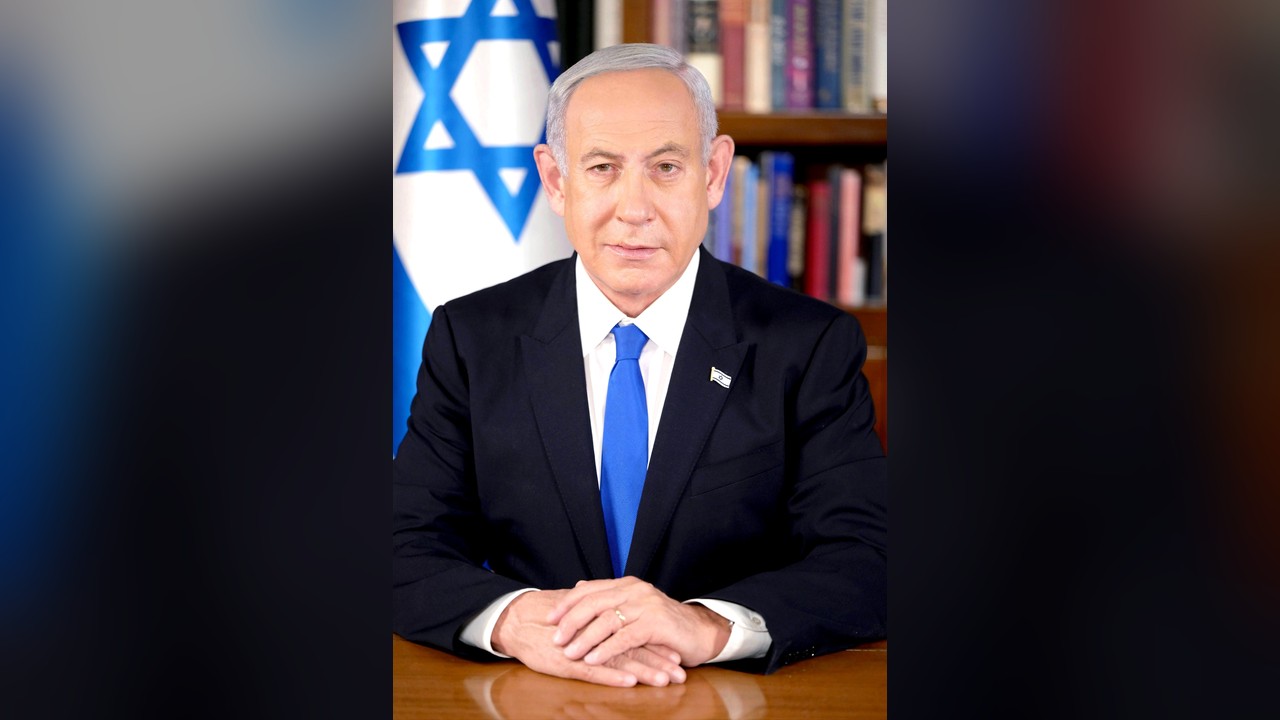
Netanyahu Pivot: Buffer Zones, Chemical Threats, and the Milei Alignment
Israeli Prime Minister Benjamin Netanyahu is aggressively redefining Israel’s security perimeter and geopolitical alliances, signaling a permanent shift toward territorial occupation in Lebanon, Syria, and Gaza. Simultaneously, Netanyahu has escalated rhetoric regarding Iranian chemical capabilities and leveraged personal diplomatic ties with Argentine President Javier Milei to signal a broader ideological realignment. This strategy coincides with a volatile domestic political landscape where the Likud party faces mounting pressure from a rising Zionist opposition bloc.
Global Security and Geopolitical Impact
The strategic shift toward “buffer zones” inside enemy territory represents a departure from previous containment doctrines. By vowing to maintain occupations in Gaza, Syria, and Lebanon, Netanyahu is institutionalizing a forward-defense posture designed to prevent a recurrence of the October 2023 Hamas attacks. This policy increases the likelihood of prolonged friction with neighboring states and complicates international diplomatic efforts to establish long-term ceasefires.
On the intelligence front, Netanyahu’s public assertion that Iran “definitely” possesses chemical weapons—and would not hesitate to use them against hundreds of thousands of Americans—serves as a direct appeal to U.S. security interests. By framing the Iranian threat as an immediate risk to American lives, Netanyahu is attempting to synchronize U.S. defense priorities with Israeli preemptive security goals.
Furthermore, the Prime Minister’s explicit support for Argentina in the 2026 FIFA World Cup is not a sporting preference but a diplomatic signal. By attributing his support to President Javier Milei rather than the team’s athletic merit, Netanyahu is highlighting a strategic partnership with the Argentine administration, mirroring his broader effort to cultivate right-wing alliances globally.
Political and Territorial Data Analysis
The following tables synthesize the current state of Netanyahu’s territorial ambitions and the shifting dynamics of the Israeli legislature.
Table 1: Strategic Territorial Objectives
| Region | Objective | Strategic Justification |
|---|---|---|
| Gaza | Occupation/Buffer Zone | Prevention of internal territory attacks |
| Lebanon | Occupation/Buffer Zone | Forward-defense against hostile actors |
| Syria | Occupation/Buffer Zone | Elimination of enemy staging grounds |
Table 2: Domestic Political Volatility
| Entity | Status/Trend | Impact |
|---|---|---|
| Likud | Declining | Overtaken by Yashar in specific metrics |
| Zionist Opposition | Ascending | Nearing a 61-seat majority |
| Religious Zionist Party | Decreasing | Dropped from 5 seats to 4 |
| Tropper/Hendel Party | Failed | Failed to cross electoral threshold |
Forward Outlook
Netanyahu’s trajectory suggests a high-risk, high-reward gamble on both the domestic and international stages. Internally, the rise of the Zionist opposition bloc and the decline of Likud indicate a fracturing of the traditional right-wing coalition. The failure of the Tropper and Hendel party to cross the electoral threshold has further destabilized the Religious Zionist Party, potentially weakening Netanyahu’s legislative floor.
Internationally, the insistence on buffer zones in three separate territories suggests that Israel is preparing for a long-term military administration of these regions. This posture, combined with the alarmist rhetoric regarding Iranian chemical weapons, is designed to force a more aggressive U.S. stance toward Tehran.
The alignment with Javier Milei suggests that Netanyahu is seeking a new network of ideological allies to offset potential isolation from traditional Western centrist governments. The 2026 World Cup serves as a public venue for this diplomatic signaling. The critical variable remains whether the Zionist opposition can secure the 61-seat majority required to challenge Netanyahu’s authority, or if his external security successes will allow him to reclaim domestic dominance.