
Analysis: Climate Change
The Biological Toll: Climate Volatility and the Immunology of Public Health
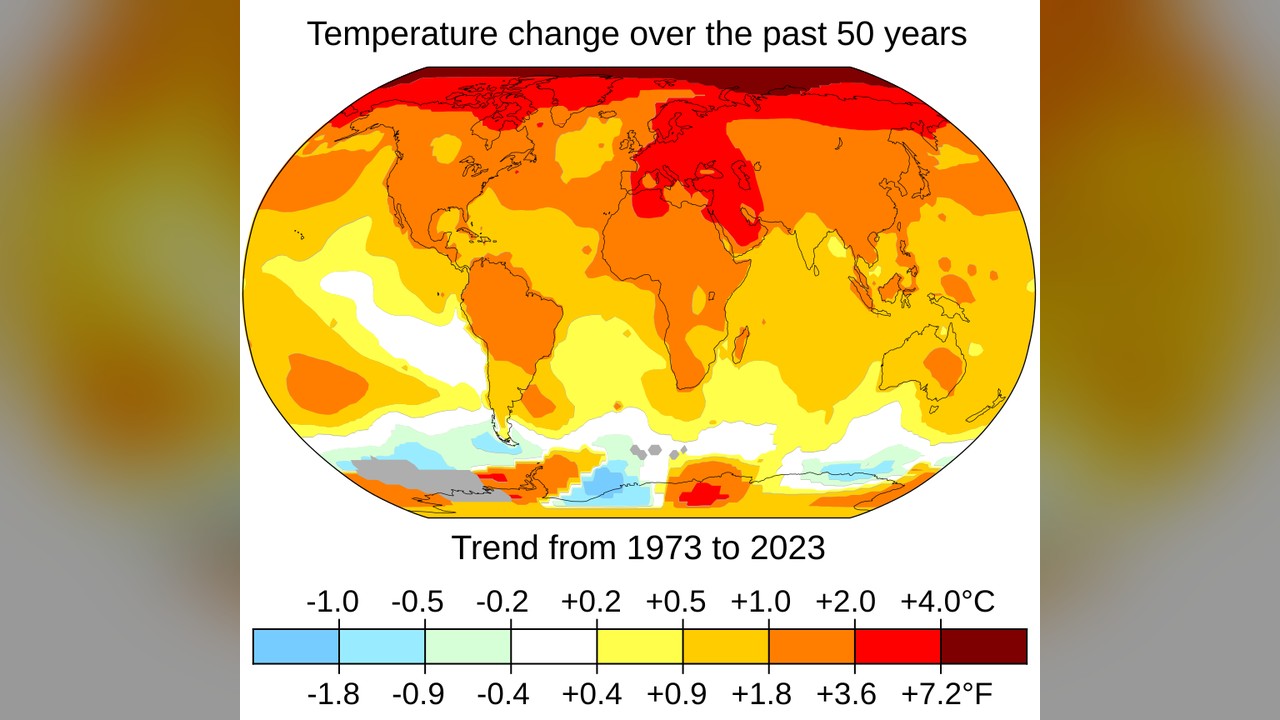
Climate change has shifted from a peripheral environmental concern to a primary driver of market attention and public health discourse in the United States. The convergence of extreme thermal events, deteriorating infrastructure, and a widening political divide over causality is creating a high-risk environment for national health stability. Central to this shift is the emerging intersection of environmental health and human immunology, where the degradation of planetary systems is increasingly linked to the degradation of human biological resilience.
Market and Global Impact
The economic ramifications of climate change are manifesting as immediate infrastructure liabilities and long-term healthcare pressures. The U.S. transportation sector faces an escalating fiscal crisis as heat waves—increasing in both frequency and intensity—compromise the structural integrity of streets and highways. This physical decay necessitates expensive remediation efforts to ensure roads can withstand a “warmer, wetter future.”
Simultaneously, the energy sector is under acute strain. Recent “heat dome” events, such as those recorded over the July 4 holiday weekend, have pushed power grids to their limits, forcing the cancellation of public events and disrupting commercial activity. In Washington, D.C., temperatures reached 102°F (39°C), illustrating the volatility that now dictates urban operational capacity.
While industrial actors continue to contest the scale of their impact—exemplified by the owner of the Jackdaw gas field claiming new developments will “not materially influence” climate change—regulators are tightening oversight. The industry regulator’s demand for new assessments after finding previous submissions inadequate suggests a narrowing window for corporate ambiguity regarding environmental footprints.
Data Analysis: Socio-Political and Environmental Metrics
The response to climate change in the U.S. is fragmented by educational and political lines, complicating the implementation of a unified public health or immunological strategy. The following tables synthesize the current state of environmental impact and public perception.
Table 1: Recorded Environmental Extremes (July 4 Period)
| Metric | Location | Observation | Systemic Impact |
|---|---|---|---|
| Peak Temperature | Washington, D.C. | 102°F (39°C) | Power grid strain; event cancellations |
| Weather Pattern | Regional US | Heat Dome | Infrastructure degradation |
Table 2: Public Perception of Climate Causality (Pew Research)
| Demographic Segment | Primary Driver Attribution | Correlation Factor |
|---|---|---|
| High Formal Education | Human Activity | Strong (Driven by Democrats) |
| Republicans (All Ed. Levels) | Natural Patterns / Non-Human | High resistance to human-cause theory |
The disparity in Table 2 indicates a systemic failure in consensus, which hinders the ability of health officials to communicate the immunological risks associated with environmental decline. As Bill Frist, a former Senate majority leader and surgeon, posits, the link is direct: “A healthier planet means healthier people.” This perspective frames climate change not as a political debate, but as a biological imperative.
Forward Outlook
The trajectory of U.S. climate impact suggests a transition from acute “shocks”—such as the July heat dome—to chronic systemic failure. The immunology of the population is inextricably tied to these environmental shifts. If the “warmer, wetter” trend persists, the cost of maintaining basic transit infrastructure will rise exponentially, potentially diverting funds from public health initiatives.
The tension between industrial expansion and regulatory oversight will likely intensify. The Jackdaw case serves as a bellwether for future gas field developments; as regulators identify “areas that had not been adequately addressed,” the legal and financial burden of proof regarding climate influence will shift toward the operators.
Ultimately, the ability of the U.S. to mitigate the health impacts of climate change depends on the decoupling of environmental science from partisan identity. Until the gap between the perceptions of the general public and the biological realities of planetary health is closed, the nation remains vulnerable to both environmental volatility and the resulting immunological decline. The road ahead is not only physically expensive but biologically precarious.