
Analysis: Dog
The Canine Variable: Analyzing Behavioral Patterns and Species Distribution
The intersection of domestic canine psychology, rescue recovery, and rare species documentation reveals a complex spectrum of canine-human interaction and biological scarcity. Current reports highlight a dichotomy between the emotional utility of domestic dogs in treating human psychological distress and the critical lack of data regarding elusive wild canids in Latin America.
Market and Global Impact
The domestic dog serves as a primary catalyst for mental health intervention within the United States and the United Kingdom. The deployment of canine companions to combat elderly isolation and depression demonstrates a tangible, though non-monetized, healthcare benefit. Specifically, the use of dogs to extract withdrawn individuals from depressive states indicates a high reliance on interspecies bonding for emotional stabilization.
Conversely, on a global biological scale, the “short-eared dog” (Atelocynus microtis) represents a significant data gap in carnivorous research. As one of the least-known carnivores in Latin America, the scarcity of insights into this “ghost dog” of the Amazon underscores a failure in comprehensive wildlife tracking and biodiversity documentation.
Data Analysis
The following table categorizes current canine intelligence based on behavioral, emotional, and biological metrics derived from recent reports.
| Category | Subject/Species | Primary Driver | Outcome/Observation |
|---|---|---|---|
| Psychological | Domestic Dog | Human Depression | Mitigation of loneliness in elderly widowers. |
| Behavioral | Rescue (Nina) | Environmental Trauma | Permanent preference for soft bedding after chronic concrete exposure. |
| Relational | Domestic Dog | Partner Preference | Evidence suggests dogs may favor specific partners over primary owners. |
| Biological | Atelocynus microtis | Habitat Seclusion | Classified as one of Latin America’s least-known carnivores. |
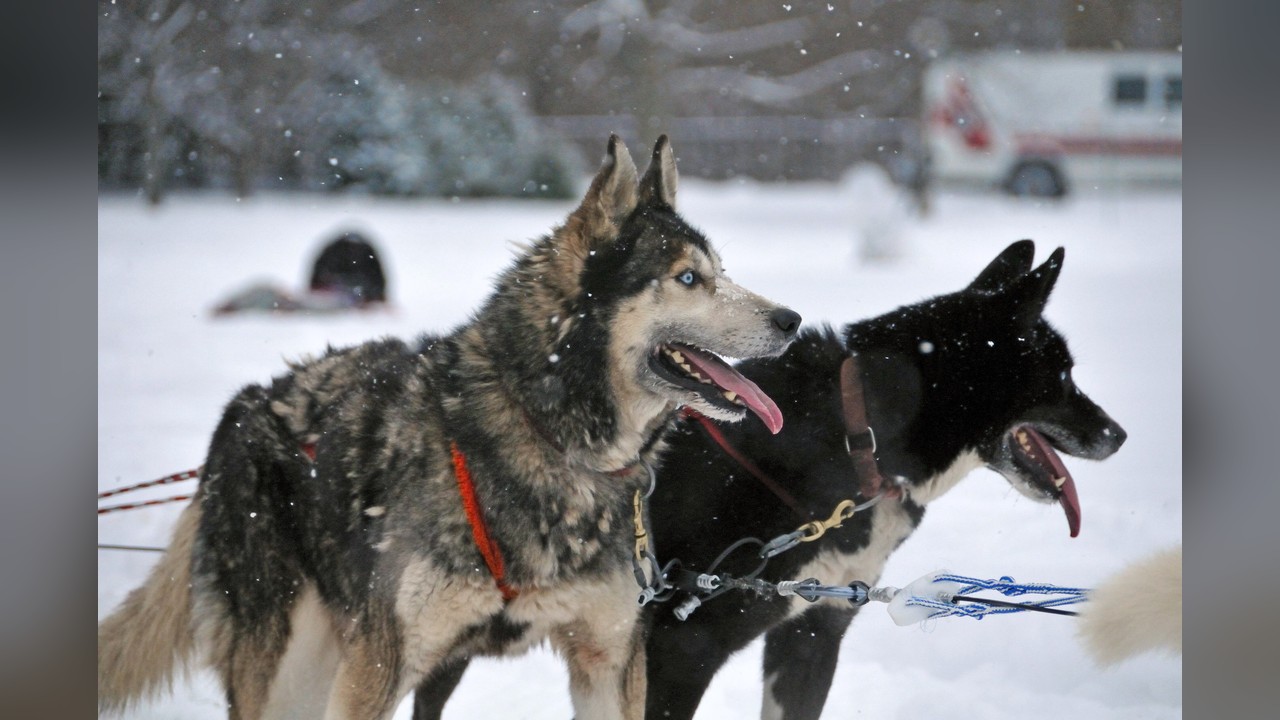
| Social | Husky | Displacement/Recovery | Successful reunification via Ring camera surveillance. |
Behavioral Analysis: Domesticity and Trauma
The case of Nina, a rescue dog, provides a clinical look at the lasting impact of environmental deprivation. Having spent a significant portion of its life sleeping on concrete floors, the animal now exhibits an absolute refusal to sleep without a soft pillow. This suggests that once a baseline of comfort is established following prolonged hardship, the behavioral shift is permanent and non-negotiable.
Parallel to this is the emerging evidence regarding canine loyalty. While owners often perceive a singular bond, data indicates a trend where dogs demonstrate a preference for a partner over the primary owner. This challenges the traditional narrative of unwavering singular loyalty and suggests a more complex social hierarchy within the household.
Biological Analysis: The Amazonian Gap
The Atelocynus microtis, or short-eared dog, remains a biological anomaly. For decades, this species has evaded comprehensive study, remaining a “mythical” entity to most of the scientific community. The recent pursuit of “new insights” into this canid indicates a shift toward prioritizing the documentation of the Amazon’s least-understood predators. The lack of existing data on this species creates a vacuum in the understanding of Latin American carnivorous evolution.
Forward Outlook
The trajectory of canine-human interaction is moving toward a more nuanced understanding of emotional labor. The use of dogs to treat depression and the viral nature of reunification stories—such as the Husky recovered via Ring camera—highlight the high emotional volume associated with canine ownership in the U.S. market.
Scientifically, the focus is expected to shift toward the Amazon basin. As researchers attempt to demystify the short-eared dog, the gap between “mythical” status and biological fact will likely narrow. In the domestic sphere, the evidence regarding partner preference suggests a need for further psychological study into how dogs navigate multi-person households.