
Analysis: Dubai
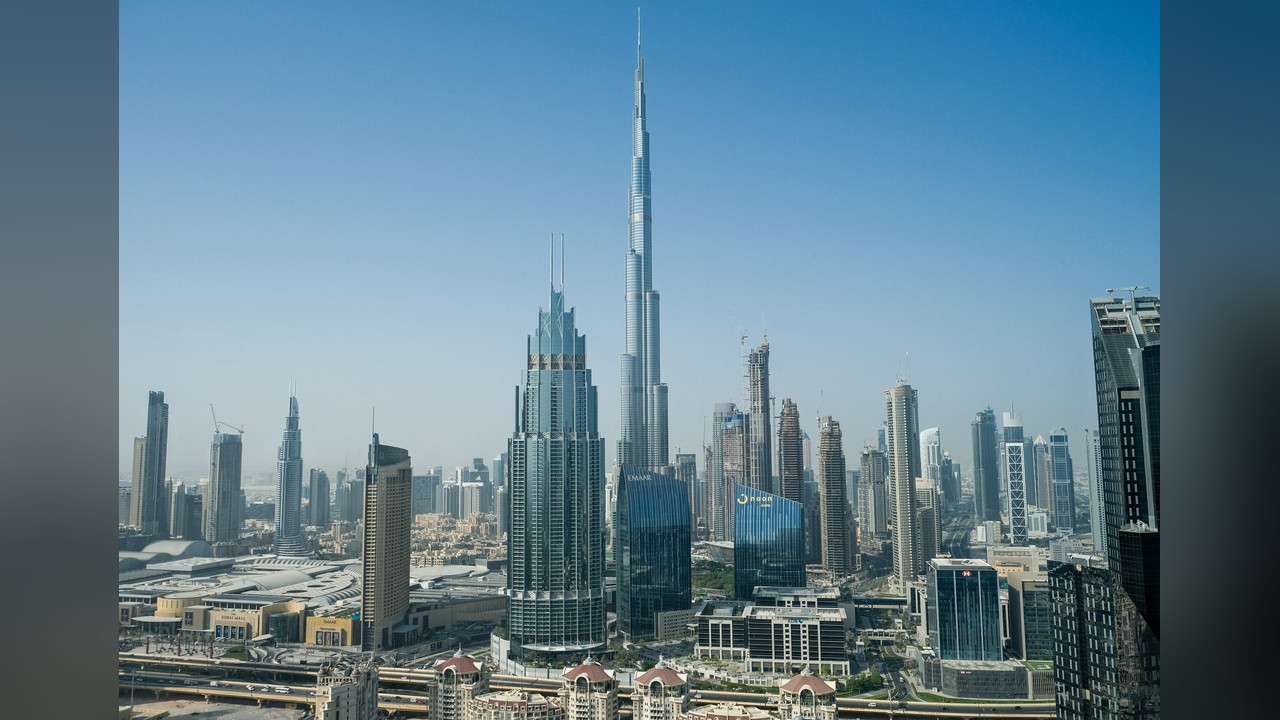
Dubai: A Nexus of Geopolitical Friction and Luxury Volatility
Dubai continues to function as a critical global waypoint where high-stakes diplomacy, luxury market saturation, and legal volatility intersect. While the city remains a primary hub for international negotiations and high-net-worth capital, recent events highlight the precarious nature of its border security and the aggressive reinvention required to maintain its status as a global luxury destination.
Global Impact and Geopolitical Friction
Dubai’s role as a neutral ground for international diplomacy is currently under strain. The city served as the backdrop for recent declarations from Iran’s top negotiator, Parliament Speaker Mohammad Baqer Qalibaf, who explicitly stated that Tehran will not compromise in ongoing talks with the United States. This refusal to yield indicates a hardening of positions in a region where Dubai often acts as the primary logistical and diplomatic conduit.
Simultaneously, the city’s legal and border apparatuses are under scrutiny following reports of missing persons and arrests. The case of Lee Andrews, husband of Katie Price, underscores the opacity and volatility of border crossings in the region. Conflicting reports—ranging from claims of kidnapping during a border crossing on May 13 to assertions from family members that Andrews is under arrest in Dubai—point to a high-friction environment for foreign nationals navigating the city’s legal jurisdiction.
Market Analysis: Luxury and Energy
The economic engine of Dubai is currently characterized by a “survival of the fittest” mentality within the hospitality sector. The luxury market has reached a level of competition where traditional prestige is insufficient; constant reinvention is now the baseline for operational survival. This is exemplified by the strategic pivots of major properties, such as the Kempinski Hotel, as they attempt to capture a diminishing pool of untapped luxury demand.
This hospitality volatility exists alongside the broader energy shifts managed by OPEC+. The decision to adjust production and add 137,000 barrels per day (bpd) in November reflects a calibrated approach to global supply, which directly impacts the capital flows sustaining Dubai’s infrastructure and luxury pivots.
Intelligence Summary: Key Metrics and Events
| Category | Metric/Event | Status/Detail |
|---|---|---|
| Energy Production | OPEC+ Nov Adjustment | +137,000 bpd |
| Diplomacy | Iran-US Negotiations | No compromise (per M.B. Qalibaf) |
| Legal/Border | Lee Andrews Case | Reported missing May 13; arrest claims |
| Hospitality | Market Strategy | Mandatory reinvention for survival |
| Comparative Real Estate | “Devon’s Dubai” | UK seaside town mirroring Dubai price booms |
Forward Outlook
Dubai’s trajectory is increasingly tied to its ability to manage the contradiction between its “open city” branding and the rigid realities of regional security. The tension between the city’s role as a diplomatic hub and the hardening stances of regional powers like Iran suggests a period of heightened instability for international negotiations hosted within the emirate.
Economically, the luxury sector is entering a phase of aggressive consolidation. As the “Dubai model” of rapid expansion and eye-watering property prices begins to be mirrored in disparate global markets—such as the British seaside towns now being compared to the city for their booming costs—the uniqueness of Dubai’s value proposition is eroding.
The coming quarter will be defined by whether the hospitality sector’s “reinvention” strategies can offset the volatility of the energy market and whether the city can maintain its image as a safe harbor for global elites amidst high-profile legal disappearances and geopolitical deadlock.