
Analysis: Earthquake Las Vegas
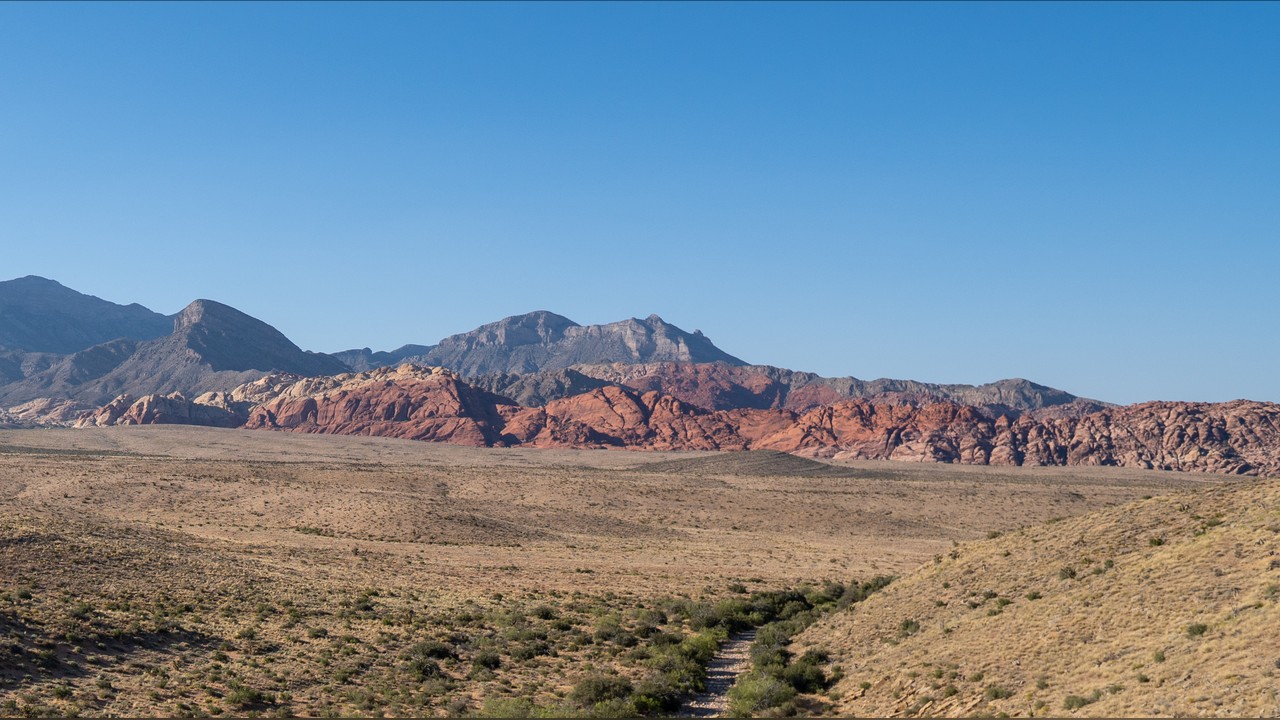
Series of Earthquakes Rattle Southern Nevada, Highlighting Region’s Ongoing Seismic Activity
The southern Nevada region, particularly the areas surrounding Las Vegas, has experienced a series of earthquakes in recent weeks, raising concerns about the region’s seismic activity. The latest incident occurred on April 29, 2026, when a magnitude 4.4 earthquake struck approximately 30 kilometers southwest of the town of Alamo and roughly 140 kilometers north of the Las Vegas Strip.
Market/Global Impact
While the recent earthquakes have not caused significant damage or injuries, they have brought attention to the region’s seismic risks. The Las Vegas Valley, being a major tourist and entertainment hub, is particularly vulnerable to the potential consequences of a significant earthquake. The economic impact of a major earthquake in the region could be substantial, affecting not only local businesses but also the global tourism industry.
Data Analysis
| Date | Magnitude | Location | Distance from Las Vegas |
|---|---|---|---|
| April 29, 2026 | 4.4 | 30 km southwest of Alamo | 140 km north of Las Vegas Strip |
| (Recent) | 3.3 | Northeast of Las Vegas Valley | - |
| (Recent) | 4.4 | Northwest of Las Vegas | 5 miles |
| (Recent) | 4.5 | Northwest of Las Vegas | - |
Earthquake Frequency and Magnitude
| Month | Number of Earthquakes | Average Magnitude |
|---|---|---|
| (Recent month) | 4+ | 4.1 (average of reported magnitudes) |
Seismic Activity in Nevada
| Location | Number of Earthquakes | Average Magnitude |
|---|---|---|
| Reno | - | - |
| Silver Springs | - | - |
| Area 51 | - | - |
| Las Vegas Valley | 4+ | 4.1 (average of reported magnitudes) |
Forward Outlook
The recent series of earthquakes in southern Nevada highlights the region’s ongoing seismic activity. While the earthquakes have not caused significant damage or injuries, they serve as a reminder of the potential risks associated with living in a seismically active region. As the region continues to grow and develop, it is essential for residents, businesses, and policymakers to be aware of the seismic risks and take necessary precautions to mitigate the potential consequences of a significant earthquake.
The USGS and other seismic monitoring agencies will likely continue to track the region’s seismic activity, providing critical information for emergency preparedness and response efforts. As more data becomes available, a clearer understanding of the region’s seismic risks and potential consequences will emerge.
In the meantime, residents and visitors to the Las Vegas Valley are advised to remain vigilant and take necessary precautions, such as having emergency plans in place and staying informed about the region’s seismic activity.