
Analysis: Guo Wengui
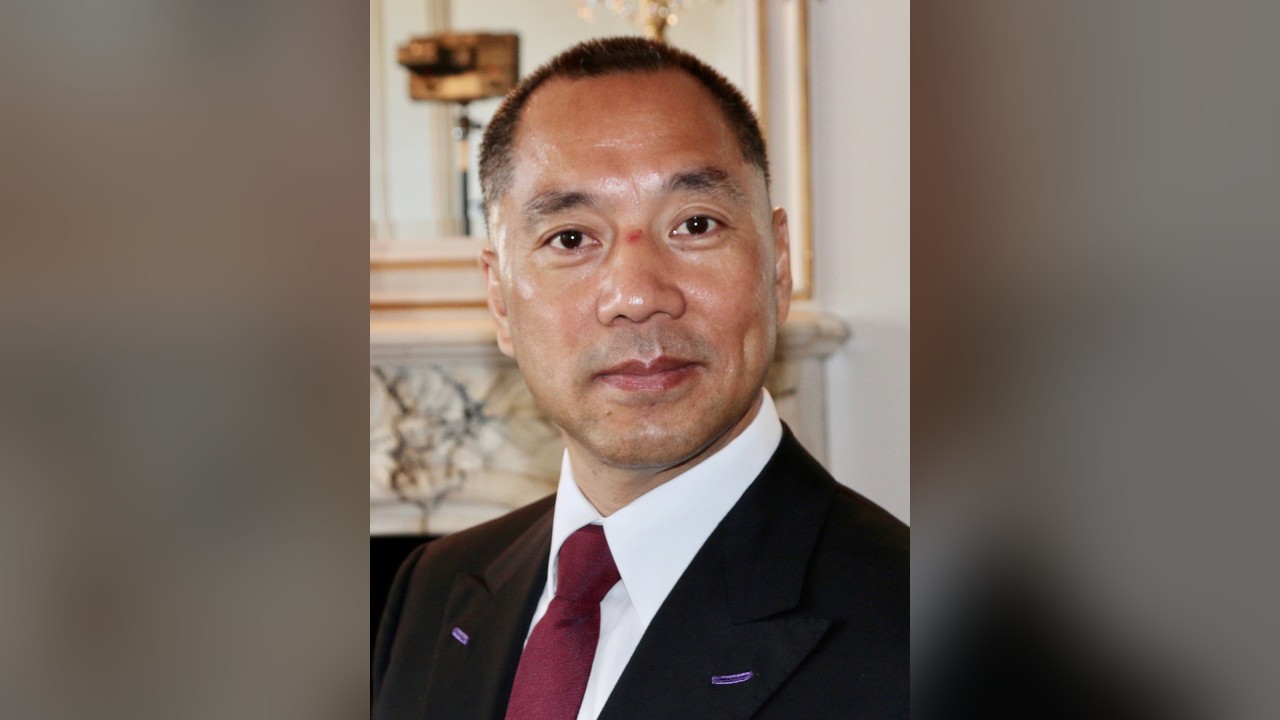
The Billion-Dollar Dissident: Guo Wengui Sentenced to 30 Years for Massive Fraud
A Manhattan federal judge has sentenced exiled Chinese billionaire Guo Wengui to 30 years in prison following his conviction on nine charges, including money laundering and fraud. Judge Analisa Torres handed down the sentence after determining that Guo defrauded investors of more than $1 billion. The ruling concludes a legal saga involving a man who transitioned from a Beijing property tycoon and political insider to a self-styled dissident targeting the Chinese Communist Party.
Global and Political Impact
The conviction of Guo Wengui represents a significant intersection of international finance and geopolitical opportunism. Guo leveraged his public persona as an adversary of the Chinese Communist Party to solicit vast sums of capital from individuals motivated by a desire to bring democracy to China.
The court found that Guo utilized this political alignment as a predatory mechanism, extracting funds from supporters to finance a lavish lifestyle. By positioning himself as a catalyst for the destruction of the current Chinese regime, Guo gained a level of trust and influence that facilitated the movement of over $1 billion in illicitly obtained funds. The sentencing underscores the vulnerability of politically motivated investment schemes and the rigor of U.S. federal oversight regarding large-scale money laundering and investor fraud.
Case Analysis: The Guo Wengui Fraud
The following table delineates the core components of the federal case against Guo Wengui based on court findings and sentencing details.
| Metric | Detail |
|---|---|
| Total Sentence | 30 Years Imprisonment |
| Total Estimated Fraud | >$1 Billion |
| Primary Charges | Fraud, Money Laundering (9 total counts) |
| Jurisdiction | Manhattan Federal Court |
| Presiding Judge | Analisa Torres |
| Victim Profile | Investors seeking Chinese democratic reform |
| Defendant’s Position | Maintained conduct caused no loss/harm |
The scale of the fraud—exceeding $1 billion—places this case among the most significant investor fraud convictions involving foreign nationals in recent U.S. history. The judicial record indicates a stark contrast between the defendant’s claims and the court’s findings; while Judge Torres noted that Guo “still insists incredibly that his conduct caused no loss and harmed no one,” the evidence presented during the 2024 trial established a pattern of systematic theft and laundering.
Forward Outlook
The 30-year sentence effectively removes Guo Wengui from the geopolitical chessboard, ending his operational capacity to influence Chinese dissident circles or manage international assets. However, the aftermath of the conviction leaves two primary unresolved trajectories:
First, the recovery of the $1 billion in defrauded funds. Given the complexity of the money laundering charges, the process of asset seizure and restitution for the victims—many of whom were motivated by ideological goals—will likely be protracted and legally complex.
Second, the impact on the diaspora of Chinese dissidents. The revelation that a prominent figure used the cause of democracy as a front for personal enrichment may lead to increased skepticism and volatility within exiled political movements. The court’s observation that Guo “preyed on those seeking to bring Democracy to China” suggests a lasting reputational blow to the infrastructure of self-exiled political activism.
Guo’s transition from a Beijing insider to a convicted felon in the United States serves as a definitive case study in the weaponization of political dissent for financial gain.