
The Limits of Dilution: Evaluating Homeopathy in the Face of Infectious Disease
Understanding the Principles of Homeopathy
Homeopathy, developed in the late 18th century by Samuel Hahnemann, rests on two primary doctrines: “like cures like” (a substance that causes symptoms in a healthy person can cure similar symptoms in a sick person) and the “law of minimum dose” (the notion that the lower the dose of the medication, the greater its effectiveness, achieved through serial dilution and succussion).
While many patients report positive outcomes for chronic, low-grade conditions—often attributed by the broader medical community to the placebo effect and the holistic, attentive nature of homeopathic consultations—its efficacy is sharply debated when applied to acute, life-threatening infectious diseases.
The Malaria Paradigm
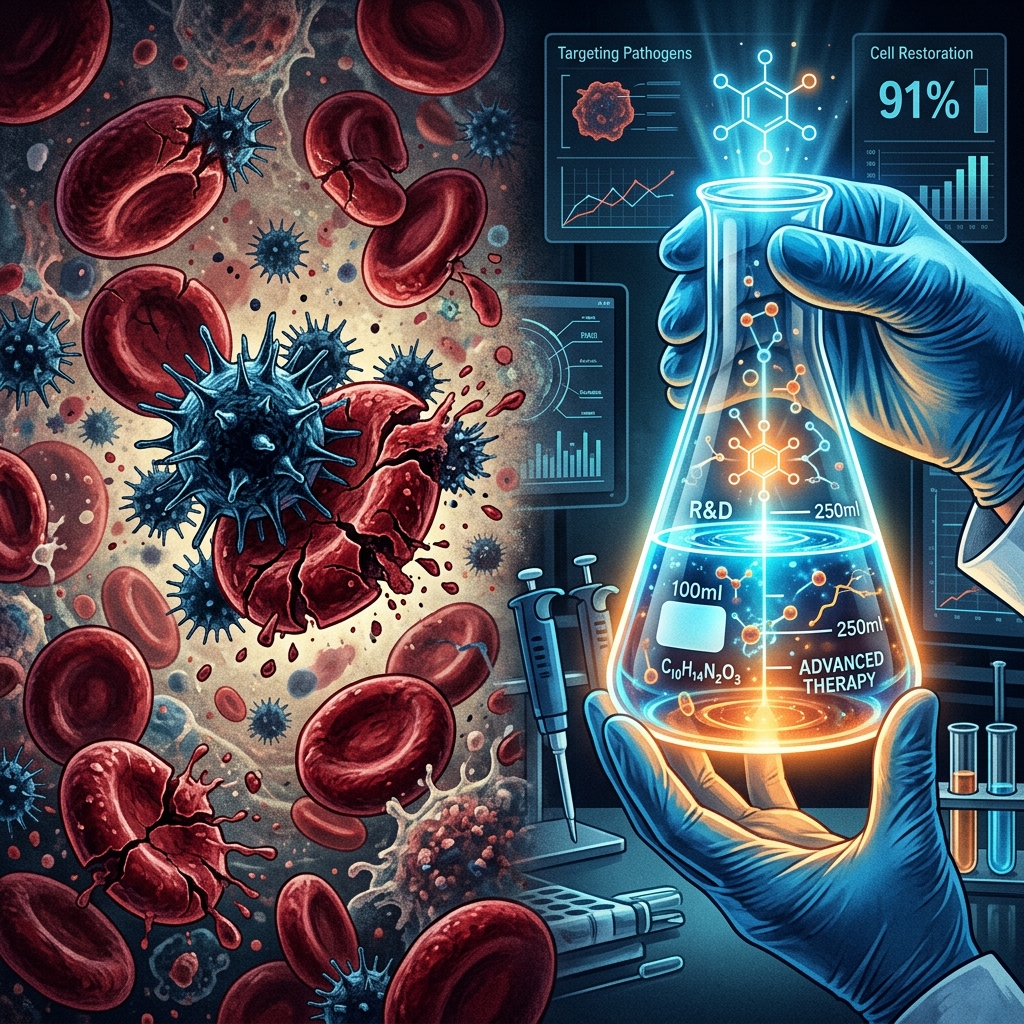
Malaria is a severe, sometimes fatal disease caused by Plasmodium parasites, transmitted through the bites of infected female Anopheles mosquitoes. It is a biological battle fought at the cellular level, as the parasite invades and destroys red blood cells.
The Pharmacological Requirement
Modern antimalarial drugs, such as Artemisinin-based combination therapies (ACTs), operate via direct, aggressive pharmacological action. They physically disrupt the parasite’s life cycle, clear it from the bloodstream, and halt disease progression.
When homeopathic remedies are proposed for malaria, a fundamental mechanistic conflict arises. Highly diluted solutions—often lacking a single molecule of the original active substance—cannot exert the necessary chemical force to eradicate a proliferating parasitic infection.
Public Health Warning: The World Health Organization (WHO) explicitly advises against the use of homeopathic remedies for the prevention or treatment of malaria, HIV, tuberculosis, and other serious infectious diseases, citing a lack of empirical evidence and the high risk of mortality.
The Desk’s Take: Editorial Insight
By the Medical Intelligence Unit
The integration of holistic practices into modern lifestyles is generally positive, focusing on stress reduction, dietary mindfulness, and preventative care. However, treating aggressive infectious pathogens like Malaria requires objective, targeted pharmacological intervention. Relying on ultra-diluted remedies for parasitic infections is not merely a matter of personal healthcare philosophy; it is a statistical gamble with lethal odds. We must differentiate between therapies that optimize subjective well-being and interventions required for acute biological survival.