
Analysis: Iss Air Leak Emergency Evacuation
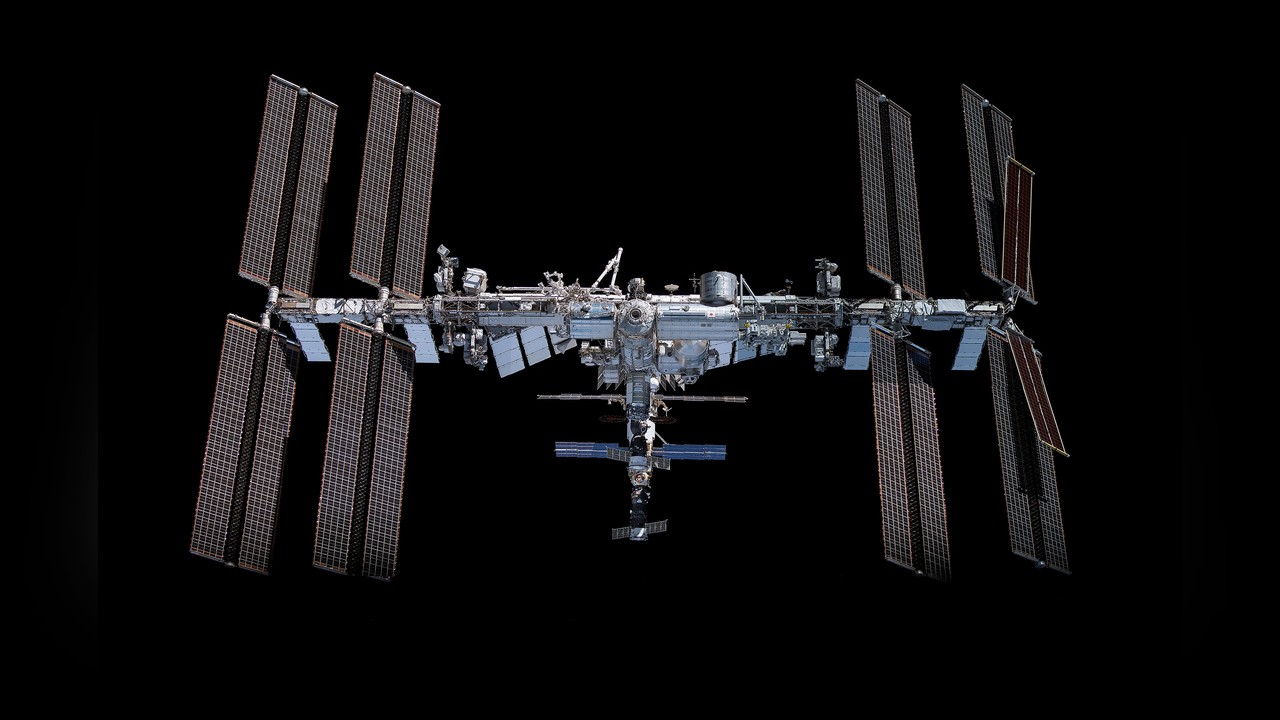
Crisis in Orbit: NASA Orders Precautionary Evacuation Amid Russian Module Air Leak
NASA issued emergency evacuation alerts to astronauts aboard the International Space Station (ISS) following a worsening air leak localized within the Russian segment of the orbital laboratory. The directive forced crew members to take shelter and initiate immediate preparations for a potential emergency departure from the station. While NASA subsequently reversed the evacuation alert order, the incident underscores critical structural vulnerabilities within the aging Russian modules and the precarious nature of life-support stability in low Earth orbit.
Global and Strategic Impact
The incident exposes the high-stakes interdependence of the ISS partnership. Because the leak originated in the Russian section, the safety of the entire multinational crew—including U.S. astronauts—was contingent upon the efficacy of Russian repair efforts. The necessity of a “shelter-in-place” order indicates a breach of atmospheric integrity significant enough to threaten the viability of the station’s common areas.
From a geopolitical standpoint, the reliance on Russian hardware for the structural integrity of the station remains a primary point of failure. The rapid escalation from a detected leak to an evacuation alert suggests a volatility in the module’s condition that bypassed standard maintenance protocols, triggering a high-alert response from NASA mission control.
Operational Data Analysis
The following table delineates the sequence of events and the operational status of the crew during the crisis window.
| Operational Phase | Status/Action | Primary Driver | Responsibility |
|---|---|---|---|
| Detection | Air Leak Identified | Atmospheric pressure drop in Russian module | Russian Segment |
| Escalation | Evacuation Alert Issued | Worsening leak severity | NASA |
| Mitigation | Shelter-in-Place | Precautionary safety protocol | Multinational Crew |
| Resolution | Alert Reversed | Repair efforts/Stabilization | Russian Crew |
Crew Distribution and Response Metrics
| Metric | Detail | Note |
|---|---|---|
| Total Personnel Affected | 4 to 5 Astronauts | Reports vary between four and five crew members |
| Primary Risk Factor | Atmospheric Depressurization | Potential loss of breathable air |
| Critical Action | Emergency Evacuation Prep | Preparation of return vehicles |
| Current Status | Alert Rescinded | Station operations resumed |
Forward Outlook
The reversal of the evacuation order does not eliminate the systemic risk associated with the Russian modules. The transition from a manageable leak to a “worsening” condition that necessitates evacuation preparations suggests a degradation of materials or a failure in sealing mechanisms that may recur.
Future mission stability now hinges on two factors: the permanence of the current repairs and the ability of NASA and its partners to maintain a viable exit strategy should the Russian segment suffer a catastrophic decompression. The incident serves as a stress test for emergency evacuation protocols, confirming that while the communication chain between NASA and the ISS is functional, the structural reliability of the station’s Russian components is a volatile variable.
Until a comprehensive structural audit of the affected module is completed, the probability of subsequent “shelter-in-place” orders remains elevated. The operational focus will likely shift toward accelerating the readiness of evacuation craft to ensure crew survival in the event of a total module failure.