
Capital and Criticism: Jeff Bezos Met Gala Scrutiny and the Amazon Class Action Lawsuit
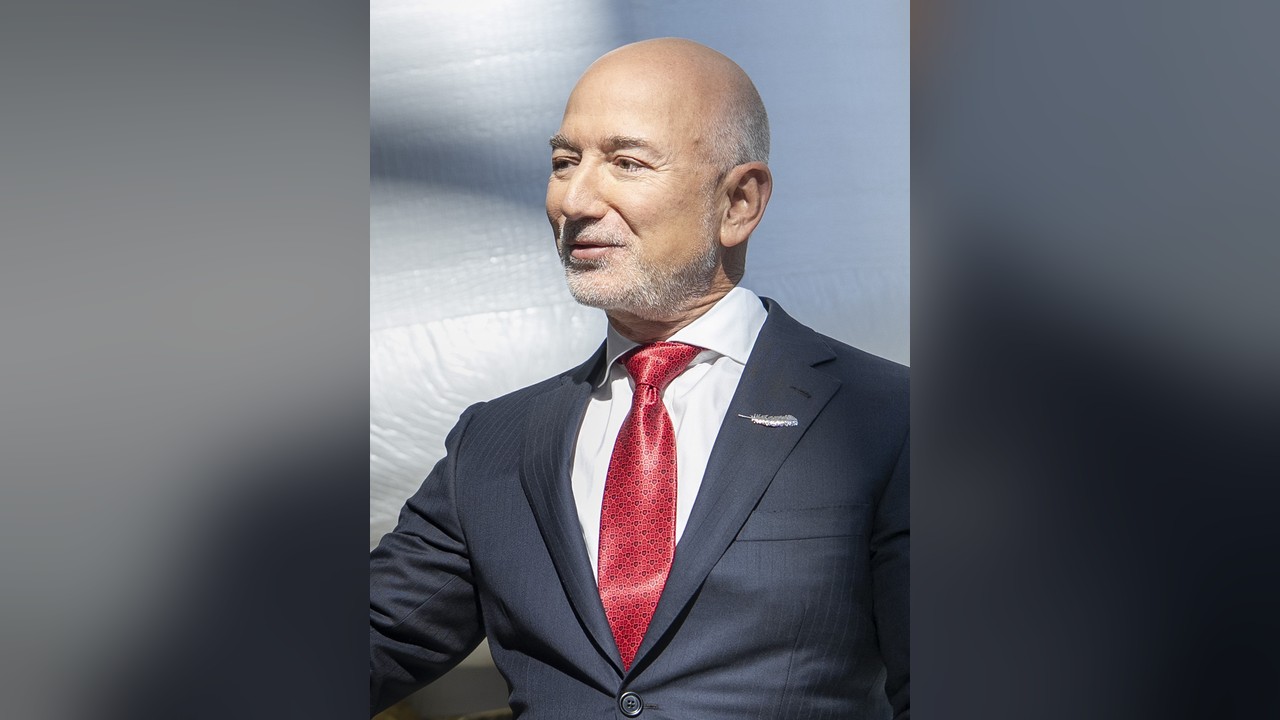
Amazon founder Jeff Bezos is facing a double wave of political and legal scrutiny. In Washington, progressive lawmakers have criticized his high-profile $10 million sponsorship of the recent Met Gala. Meanwhile, in federal court in Seattle, a major proposed class-action lawsuit has been filed against Amazon, alleging unlawful consumer pricing practices involving tariff pass-throughs.
Congressional Backlash: The Met Gala Scrutiny
The criticism was led by prominent progressive lawmakers, including Senators Elizabeth Warren and Bernie Sanders. They seized on the $10 million sponsorship to highlight broader issues of wealth distribution, corporate tax policy, and labor conditions within Amazon’s logistics network.
| Critic | Focus Area | Core Argument | Suggested Policy Shift |
|---|---|---|---|
| Sen. Elizabeth Warren | Wealth Taxation | $10M sponsorship highlights need for a ultra-millionaire wealth tax | Implement 2% annual tax on net worth above $50M |
| Sen. Bernie Sanders | Labor Practices | Contrasts gala funding with Amazon’s cost-cutting workforce decisions | Increase federal minimum wage and support unionization |
| Labor Advocates | Income Inequality | Perceived gap between executive displays of wealth and entry-level worker compensation | Establish strict executive-to-worker pay ratio disclosures |
The Seattle Tariff Litigation
On May 18, 2026, a proposed class-action lawsuit was filed in the U.S. District Court for the Western District of Washington (Seattle). The complaint alleges that Amazon unlawfully embedded tariff costs into consumer prices for imported goods between February 2025 and February 2026. This practice reportedly continued even after the Supreme Court ruled the tariffs were unlawfully imposed, with the lawsuit claiming Amazon chose not to seek available refunds.
The plaintiffs allege that Amazon’s decision was politically motivated, referencing reports of private discussions between Bezos and administration officials.
- Financial Scope: The class-action suit seeks to represent millions of U.S. consumers, with damages potentially exceeding $1.2 billion if the court finds willful consumer protection violations.
- Antitrust Implications: Legal analysts note this case could add to ongoing federal antitrust scrutiny of Amazon’s pricing algorithms and market dominance.
“A company of Amazon’s scale cannot treat import tariff refunds as political capital. If the tariffs were declared unlawful, those cost reductions must be returned to consumers, not absorbed as margin.”
The combination of progressive congressional pressure and significant consumer litigation highlights the ongoing scrutiny surrounding large-scale tech platforms and the individuals who hold major stakes in them.