
Analysis: Kospi
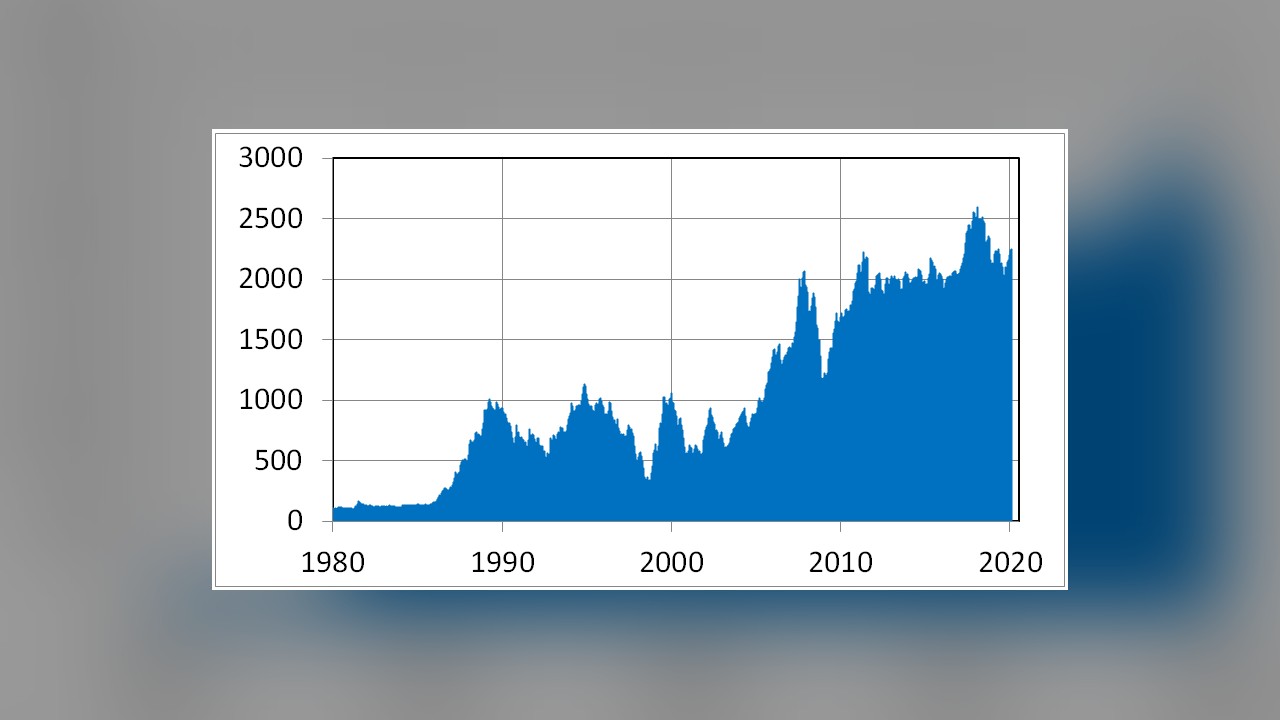
Semiconductor Volatility Drags KOSPI Into Technical Bear Market
The South Korean KOSPI has entered a technical bear market, plummeting 20% from its June peak. The decline is driven by a systemic rotation out of artificial intelligence (AI) and semiconductor assets, specifically weighing on industry titans Samsung and SK Hynix. While the index experienced a brief recovery fueled by dip-buying, the volatility underscores a precarious shift in investor sentiment as the market moves from “expectations” to a demand for “reassurance” regarding chip guidance.
Global Contagion and Sector Rotation
The selloff in Seoul is not an isolated event but part of a broader Asian AI rotation trade. As investors pulled capital from South Korean chipmakers, a divergence emerged in regional indices; while the KOSPI declined, the Hang Seng China Enterprises Index climbed.
The contagion extended to Japan, where the semiconductor slump triggered a 13.5% tumble for Kioxia, the nation’s most valuable company. This synchronized decline across East Asian tech hubs suggests a regional recalibration of AI valuations. The volatility was further exacerbated by reports that Chinese AI startup DeepSeek is developing proprietary chips, a move that threatens to reduce global reliance on established chipmakers and disrupts the current supply-chain hegemony.
Data Analysis: Market Performance and Drivers
The following table outlines the primary catalysts and metrics associated with the KOSPI’s recent volatility:
| Metric/Event | Detail | Impact/Status |
|---|---|---|
| Peak-to-Trough Decline | 20% from June Peak | Technical Bear Market |
| Intraday Volatility | Single-session drop of up to 8.2% | High |
| Primary Drags | Samsung, SK Hynix | Severe Weighting |
| Regional Correlation | Kioxia (Japan) | 13.5% Decline |
| Counter-Trend Index | Hang Seng China Enterprises | Positive Movement |
| Supply Outlook | Memory Supply (through Q3) | Tight |
The technical breach of the bear market threshold was catalyzed by a shift in investor psychology. The “chip boom” that propelled the index to its June peak has been replaced by a cautious approach to guidance. The brief descent into bear territory was characterized by heavy selling in Samsung and SK Hynix, which serve as the primary anchors of the KOSPI’s market capitalization.
Forward Outlook
The KOSPI’s trajectory now hinges on the transition from speculative growth to fundamental earnings verification. Short-term support for the index is currently derived from two primary factors:
- Memory Pricing: JPMorgan has identified memory pricing as the critical driver for earnings. If pricing remains robust, a sustained rebound is probable.
- Supply Constraints: Tight memory supply projected through the third quarter (Q3) provides a fundamental floor for chipmakers, encouraging dip-buying activities.
However, structural risks remain. The emergence of DeepSeek’s internal chip development introduces a long-term geopolitical and competitive risk that could permanently alter the demand curve for South Korean semiconductors. Investors are no longer trading on the promise of AI expansion but are scrutinizing the actual delivery of guidance. The KOSPI’s ability to exit the bear market will depend on whether the current rebound is a temporary correction or a fundamental return to growth based on realized earnings.