
Analysis: Pet Food
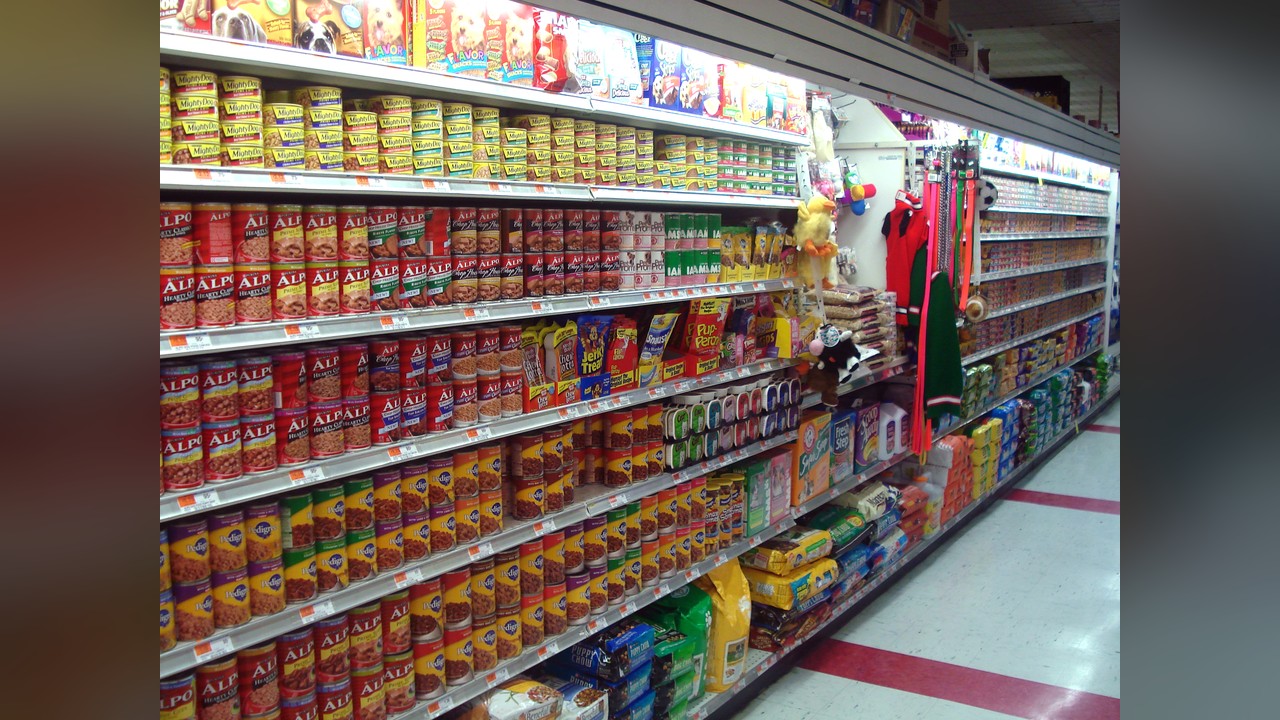
Systemic Contamination: Regulatory Volatility Shakes U.S. Pet Food Supply Chain
The U.S. pet food sector is currently facing a crisis of quality control, characterized by a surge in large-scale recalls and high-stakes litigation. Recent FDA actions have targeted over 60 products due to contamination risks, while specific brands face expanded recalls over listeria and physical foreign objects. The instability is compounded by a landmark legal precedent in Oregon, where a jury awarded $800,000 award underscores the escalating financial liability for manufacturers failing to secure supply chains against zoonotic pathogens.
Market and Regulatory Impact
The current volatility is driven by three distinct contamination vectors: biological pathogens, physical impurities, and zoonotic viruses. The FDA’s announcement regarding the recall of more than 60 products indicates a systemic failure in batch testing or ingredient sourcing across multiple product lines.
The expansion of the Raaw Energy recall is particularly critical, as it correlates directly with reported pet illnesses linked to listeria. This suggests a failure in the “gently cooked” or raw processing chain, where temperature controls are paramount. Simultaneously, the voluntary recall of AllProvide Holistic Pet Food’s Gently Cooked Chicken Recipe due to plastic contamination highlights a breakdown in mechanical filtration and quality assurance during the production phase.
The financial risk to the industry has shifted from mere logistical loss to significant legal liability. The $800,000 judgment awarded to an Oregon resident following the death of a cat from bird flu-tainted food establishes a high-cost benchmark for negligence. This case signals that the judiciary is treating pet food contamination with a severity previously reserved for human food safety violations.
Data Analysis: Contamination and Liability Matrix
The following table categorizes the current disruptions based on the intelligence briefing:
| Incident/Entity | Contaminant Type | Action Taken | Impact/Outcome |
|---|---|---|---|
| FDA General Action | Unspecified Contamination | Recall of 60+ products | Broad market withdrawal |
| Raaw Energy | Listeria | Expanded Recall | Reported pet illnesses |
| AllProvide Holistic | Plastic (Physical) | Voluntary Recall | Product removal (Chicken Recipe) |
| Unspecified Brand | Bird Flu (H5N1/Zoonotic) | Litigation | $800,000 jury award |
| Weis Markets | N/A (Philanthropic) | Donation | Support for SPCA/Griffin Pond |
Forward Outlook
The pet food industry is entering a period of heightened regulatory scrutiny. The convergence of listeria outbreaks and plastic contamination suggests that both biological and mechanical safeguards are failing. Manufacturers focusing on “holistic” or “gently cooked” segments—which often bypass the high-heat sterilization of traditional kibble—are now identified as high-risk zones for pathogen survival.
The $800,000 bird flu judgment will likely compel insurers to raise premiums for pet food manufacturers and force companies to implement more rigorous testing for avian-borne viruses in raw ingredients.
While corporate social responsibility efforts, such as the Weis Markets “Paws for Pets” campaign, continue to provide a veneer of community support for shelters like the Luzerne County SPCA, these philanthropic gestures do not mitigate the underlying systemic risks. The primary trajectory for the sector is a move toward mandatory, more frequent third-party audits to avoid the catastrophic financial and reputational costs associated with the current wave of recalls.