
Analysis: Pete Hegseth
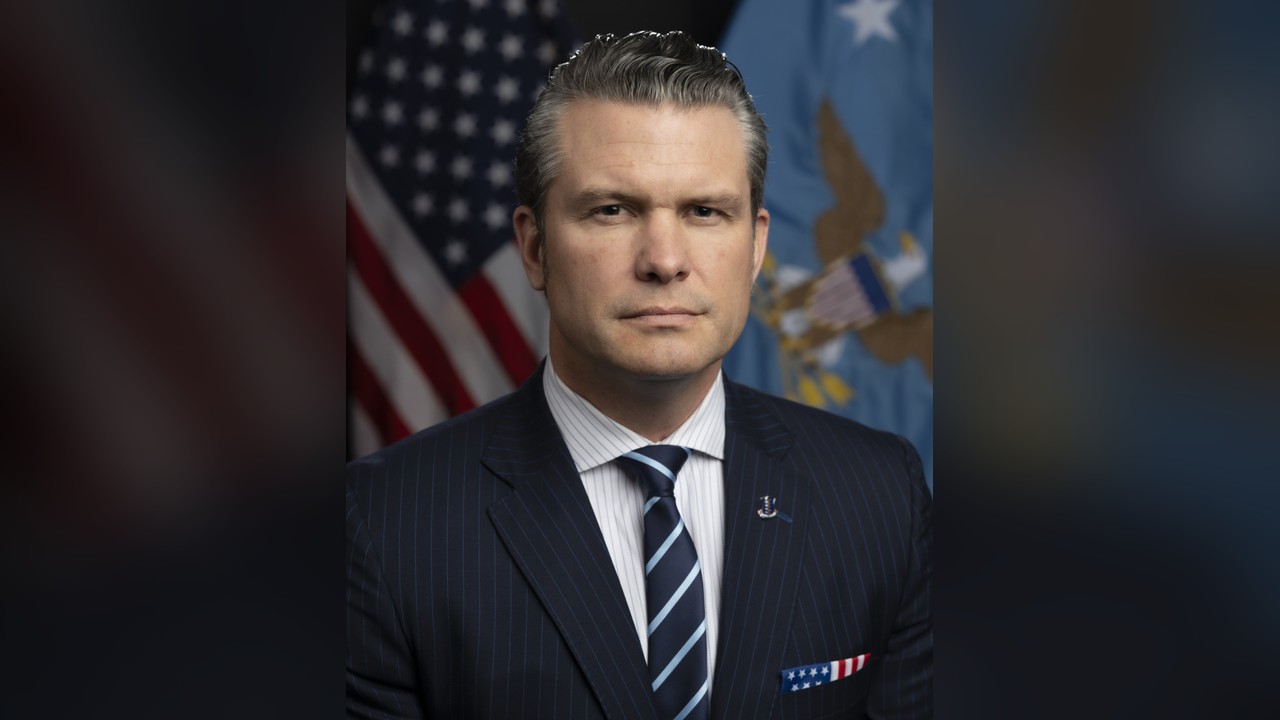
Hegseth’s Ambitions: Defense Secretary Signals 2028 Presidential Intent Amidst Domestic Volatility
Defense Secretary Pete Hegseth is leveraging his current cabinet position to cultivate a political trajectory toward the 2028 U.S. Presidential election. Sources familiar with Hegseth’s strategic thinking indicate a concerted effort to transition from the Department of Defense to a White House bid, characterized by high-profile appearances in key early-primary states and a public persona centered on aggressive masculinity. This ambition coincides with escalating scrutiny over his rhetoric regarding gender identity and legislative inquiries into the potential deployment of military assets during domestic electoral cycles.
Market and Global Impact
The intersection of Hegseth’s political ambitions and his role as Defense Secretary introduces a volatility variable into U.S. national security stability. While the briefing notes a raging war with Iran, the Secretary’s focus has pivoted toward domestic campaign stops, specifically in Iowa and South Carolina.
The primary global risk factor is the perceived distraction of the U.S. military leadership. When the Secretary of Defense engages in “campaign stops” for Republican candidates—such as Rep. Zach Nunn—while managing active theater conflicts, it signals a potential prioritization of political optics over strategic defense management. Furthermore, the request from Senator Elissa Slotkin for a commitment to keep U.S. troops out of polling places during midterm elections suggests a lack of confidence in the traditional separation between military power and domestic political processes. Any perceived blurring of these lines risks destabilizing the non-partisan nature of the U.S. Armed Forces, a cornerstone of Western democratic institutional stability.
Data Analysis: Behavioral and Strategic Metrics
The following table synthesizes the reported activities and rhetoric of Secretary Hegseth as they relate to his perceived political trajectory.
| Metric | Observation | Strategic Implication |
|---|---|---|
| Geographic Focus | Trips to Iowa and South Carolina | Targeting critical early-state primary demographics for 2028. |
| Rhetorical Tone | Use of anti-LGBTQ slur (“trannies”) at Iowa State Fair | Alignment with hard-right populist base; rejection of “gender-neutral” military norms. |
| Political Activity | Campaigning for Rep. Zach Nunn | Utilizing cabinet visibility to build intra-party alliances. |
| Institutional Friction | Sen. Slotkin’s inquiry on midterm troop deployment | Heightened legislative anxiety regarding the militarization of elections. |
| Public Persona | “Secretary of War” / “High T” branding | Shift from traditional diplomatic defense leadership to a “macho” populist image. |
Forward Outlook
Hegseth’s trajectory suggests a deliberate dismantling of the traditional “quiet professional” archetype associated with the Secretary of Defense. By framing himself as a “Secretary of War” and utilizing provocative language at public fairs, he is positioning himself not as a technocrat, but as a cultural combatant.
The immediate term will likely be defined by two primary friction points:
- Legislative Oversight: The pressure from Democratic senators, specifically Elissa Slotkin, indicates that Hegseth’s commitment to the neutrality of the military during midterms will be a focal point of congressional scrutiny. Any failure to provide a definitive commitment may lead to formal hearings or oversight investigations.
- The 2028 Pipeline: Hegseth’s presence in Iowa and South Carolina confirms that his current tenure is being viewed as a promotional vehicle. The sustainability of this strategy depends on his ability to balance the administrative demands of a war with Iran against the populist demands of a primary electorate.
If Hegseth continues to prioritize campaign stops and provocative rhetoric over the diplomatic norms of the Pentagon, the internal cohesion of the military may face unprecedented strain. The transition from Defense Secretary to presidential candidate is historically rare; Hegseth is attempting to execute this transition in real-time while managing an active global conflict, creating a high-risk environment for both U.S. foreign policy and domestic institutional norms.