
Analysis: Sanctuary City
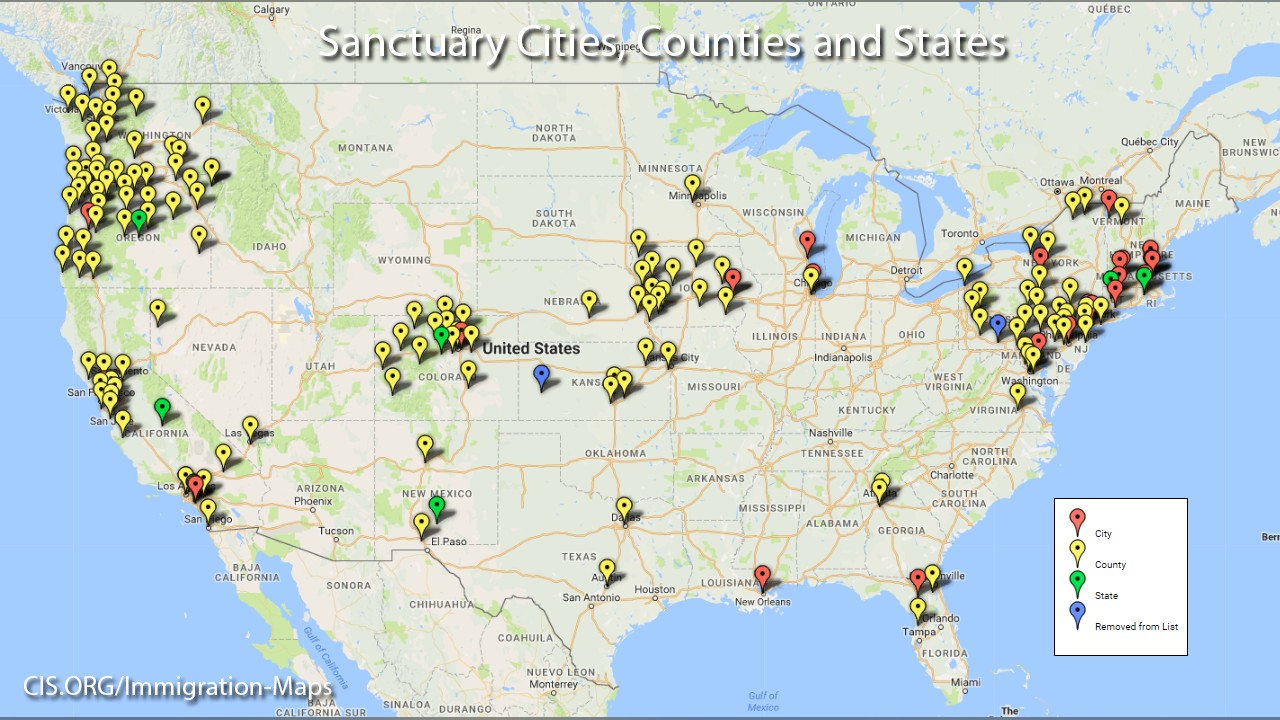
Federal Friction: The Escalating Conflict Over Sanctuary City Status
The legal and operational framework of “sanctuary cities” in the United States has shifted from a municipal policy preference to a primary flashpoint of federal-state conflict. At the center of the dispute is the refusal of local jurisdictions to cooperate with federal immigration enforcement, a stance that has triggered threats of federal funding cuts and the potential withdrawal of Customs and Border Protection (CBP) officers from critical infrastructure, specifically international airports. While judicial interventions have previously blocked attempts to weaponize federal grants, new proposals target the logistical viability of travel and commerce in non-cooperative cities.
Market and Global Impact
The potential withdrawal of CBP officers from sanctuary city airports introduces significant systemic risk to the U.S. travel industry and the aviation sector. Airlines and travel industry stakeholders have expressed alarm over proposals to remove federal customs processing from these hubs, as such a move would effectively paralyze international arrivals and departures.
Because sanctuary cities—most notably New York City, which hosts over three million foreign-born residents—serve as global financial and transit nodes, the disruption of immigration and customs processing would create a bottleneck in global trade and tourism. The threat is no longer limited to budgetary disputes but has evolved into a tactical effort to disrupt the operational capacity of cities that shield undocumented immigrants from federal authorities.
Data Analysis: Conflict Vectors and Institutional Positions
The current landscape is defined by a clash between judicial protections and executive enforcement strategies. The following table outlines the primary levers of conflict identified in current intelligence.
| Conflict Vector | Mechanism of Pressure | Primary Objective | Current Status/Outcome |
|---|---|---|---|
| Fiscal | Cutting off federal funds | Coerce municipal cooperation | Blocked by U.S. District Judge William Orrick via preliminary injunction |
| Logistical | Withdrawal of CBP Officers | Disrupt airport/travel operations | Proposed by Markwayne Mullin; opposed by airlines/travel industry |
| Enforcement | Non-cooperation penalties | Target “hidden” criminals | Strategic focus of Border Czar Tom Homan |
| Demographic | High foreign-born populations | Maintain sanctuary status | NYC remains a hub with 3M+ foreign-born residents |
The tension is exacerbated by the sheer scale of the populations involved. In New York City, the historical legacy of immigration—symbolized by Ellis Island—intersects with a modern population of over three million foreign-born individuals, making the city a high-stakes environment for any federal enforcement pivot.
Forward Outlook
The trajectory of the sanctuary city conflict is moving toward a “logistical warfare” phase. With the judiciary previously preventing the Trump administration from utilizing federal funds as a cudgel, federal strategists are pivoting toward operational disruptions.
The proposal by Markwayne Mullin to withdraw CBP officers from sanctuary city airports represents a shift in strategy: moving from financial penalties to the degradation of essential services. If implemented, the halt of immigration and customs processing would likely trigger immediate litigation from the travel industry and affected municipal governments, citing economic sabotage.
Simultaneously, Border Czar Tom Homan has indicated that the refusal of sanctuary cities to cooperate with federal immigration enforcement will lead to specific, targeted consequences for those attempting to “hide criminals.” This suggests a dual-track approach: broad logistical pressure on the city’s infrastructure combined with aggressive, targeted enforcement actions against individuals.
The stability of the U.S. travel sector and the legal status of millions of foreign-born residents now depend on whether the federal government prioritizes enforcement mandates over the operational continuity of the nation’s largest economic hubs. The uncertainty remains centered on whether the courts will extend previous injunctions to cover operational withdrawals of CBP personnel.