
The Science of Sleep: Tapping into Primal Energy and Cognitive Dominance
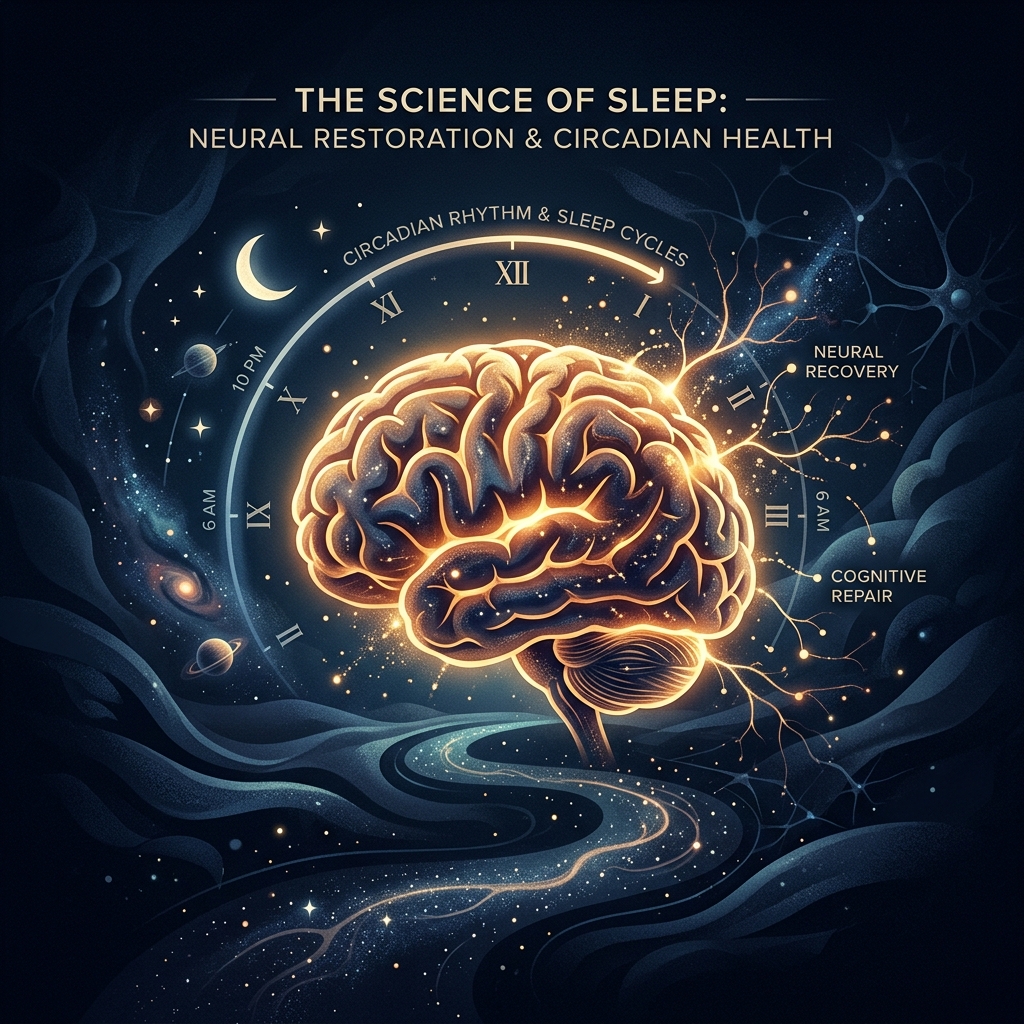
The Architecture of Rest: Beyond Basic Sleep Hygiene
In high-stakes environments, sleep is no longer viewed as a passive state of rest, but rather as an active phase of cognitive and physiological repair. Modern research indicates that the chronic suppression of slow-wave (deep) sleep directly correlates with diminished executive function, increased systemic inflammation, and metabolic dysregulation.
To tap into what biohackers and physiologists refer to as “primal energy”—the sustained, unflagging stamina characteristic of our evolutionary ancestors—one must treat sleep architecture with the same rigor as a financial portfolio.
The Role of Circadian Alignment
The human body operates on a strict 24-hour internal clock regulated by the suprachiasmatic nucleus (SCN). Disruptions to this clock—often caused by blue light exposure and erratic feeding windows—blunt the natural secretion of melatonin and disrupt cortisol rhythms.
Clinical Insight: Exposure to natural sunlight within 30 minutes of waking halts melatonin production and sets a biological timer for sleep onset 14-16 hours later.
Nutritional Interventions for Deep Rest
Diet plays a symbiotic role in sleep quality. The gut microbiome directly synthesizes neurotransmitters like serotonin, a precursor to melatonin.
| Nutrient | Biological Function | Optimal Food Sources |
|---|---|---|
| Magnesium Bisglycinate | Central nervous system relaxation; NMDA receptor blockade. | Spinach, Pumpkin Seeds, Targeted Supplements |
| L-Theanine | Increases alpha brain waves; promotes non-drowsy relaxation. | Green Tea, Matcha |
| Tryptophan | Amino acid precursor to serotonin and melatonin. | Turkey, Tart Cherries, Walnuts |
The “Primal Soul Power” Protocol
Reclaiming innate vitality requires stripping away modern metabolic stressors. This involves a three-pronged approach:
- Digital Sunsets: Complete cessation of screen time 90 minutes before bed to allow natural melatonin cascades.
- Thermal Regulation: The core body temperature must drop by approximately 2 to 3 degrees Fahrenheit to initiate and sustain deep sleep. Keeping the bedroom at 65°F (18°C) is scientifically optimal.
- Fasted Sleep: Ceasing caloric intake at least 3 hours before bed ensures the body prioritizes cellular autophagy and glymphatic clearance (brain cleaning) rather than digestion.
The Desk’s Take: Editorial Insight
By the Medical Intelligence Unit
The commodification of “sleep aids”—from over-the-counter antihistamines to prescription sedatives—has created a false economy of rest. These compounds frequently induce unconsciousness but destroy actual sleep architecture, particularly REM sleep. The true paradigm shift for modern professionals isn’t finding a better pill, but aggressively protecting their circadian environment. As corporate burnout reaches historic highs, the most significant competitive advantage in the next decade will belong to those who master their biological recovery.