
Analysis: Trump Mail Ballot Order Ruling
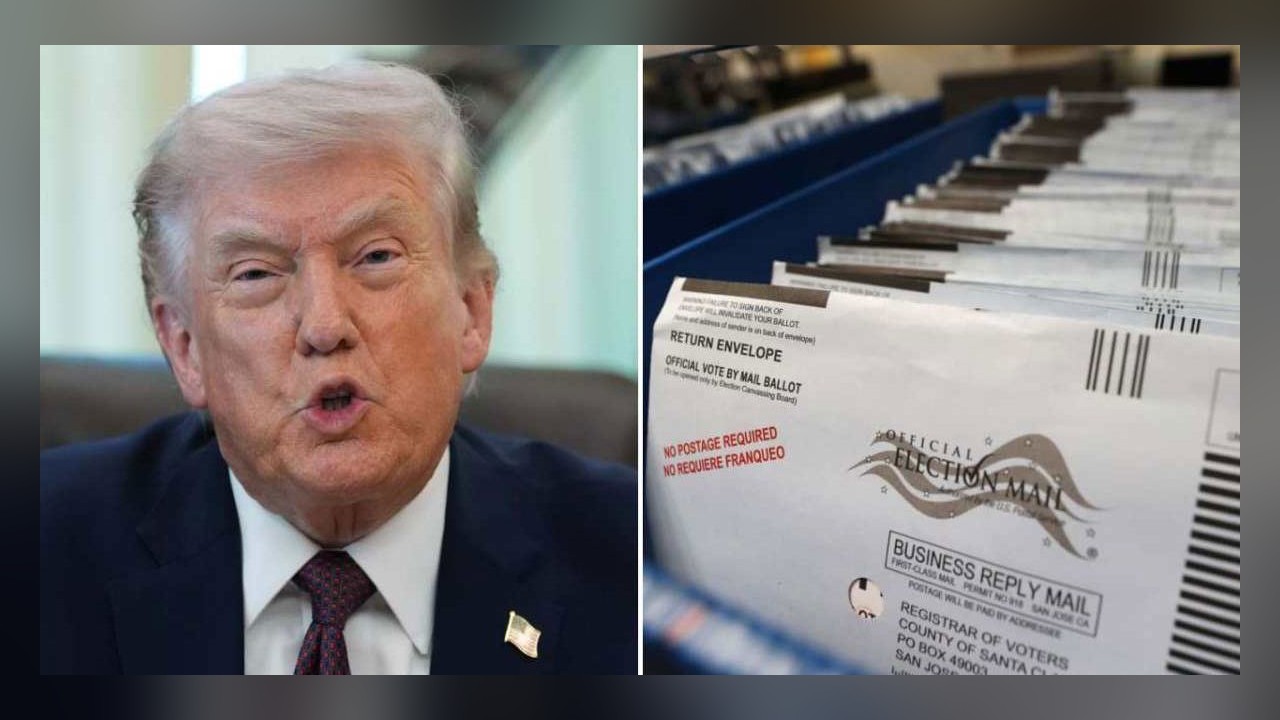
Judicial Block on Trump Mail-In Ballot Order Triggers Federal Election Volatility
A federal judge in Boston has blocked critical components of an executive order issued by President Donald Trump intended to restrict mail-in voting. U.S. District Judge Indira Talwani ruled in favor of a coalition of Democratic-led states, halting the administration’s efforts to limit mail-ballot access and specifically barring the creation of a centralized list of voters eligible for mail-in ballots. The ruling freezes the order’s implementation in challenging states, including Oregon, while the Trump administration prepares an appeal.
Market and Institutional Impact
The ruling introduces immediate regulatory uncertainty regarding the administration of federal elections. By shielding existing mail-ballot practices in several states, the court has prevented a centralized federal crackdown on voting mechanisms, maintaining the status quo for millions of voters.
Institutional instability is heightened by the concurrent involvement of the U.S. Supreme Court, which is pending a decision on whether mail ballots must arrive by Election Day to be counted. The interplay between the District Court’s freeze and the Supreme Court’s upcoming opinion creates a fragmented legal landscape, leaving state election officials in a state of operational limbo. For markets and political risk analysts, this signifies a high-volatility environment where the rules of electoral participation remain subject to judicial reversal.
Data Analysis: Legal and Operational Constraints
The following table outlines the specific points of contention and the current judicial status based on available reports.
| Component of Executive Order | Judicial Status | Impact/Restriction | Primary Legal Basis |
|---|---|---|---|
| Mail-In Voting Restrictions | Blocked (Partial) | Frozen in challenging states | Unlawful interference with federal elections |
| Eligible Voter List | Barred | Prohibits creation of mail-in eligibility list | District Court ruling (Judge Talwani) |
| State-Level Practices | Shielded | Oregon and other Democratic-led states maintain status quo | Federal injunction |
| Ballot Arrival Deadlines | Pending | Determination on Election Day arrival requirement | U.S. Supreme Court (Opinion pending) |
Forward Outlook
The immediate trajectory of this conflict moves toward the appellate courts and the U.S. Supreme Court. The Trump administration’s expected appeal of Judge Talwani’s ruling suggests a prolonged legal battle that will likely persist until the election cycle concludes.
Two critical pivots will determine the final operational framework for the upcoming election:
- The Appellate Challenge: If the administration successfully overturns the Boston ruling, the federal government may regain the authority to implement restrictive voter lists and limit mail-in access across the challenging states.
- The Supreme Court Deadline Ruling: The forthcoming opinion on ballot arrival deadlines will serve as the definitive catalyst for state-level logistics. A ruling requiring arrival by Election Day would effectively nullify the advantage of mail-in voting in states with slower postal transit, regardless of the District Court’s block on the executive order.
Until these two legal milestones are reached, the administration of mail-in ballots remains a bifurcated system: protected by judicial injunction in some jurisdictions and subject to federal pressure in others.