
Analysis: Zverev Allegations
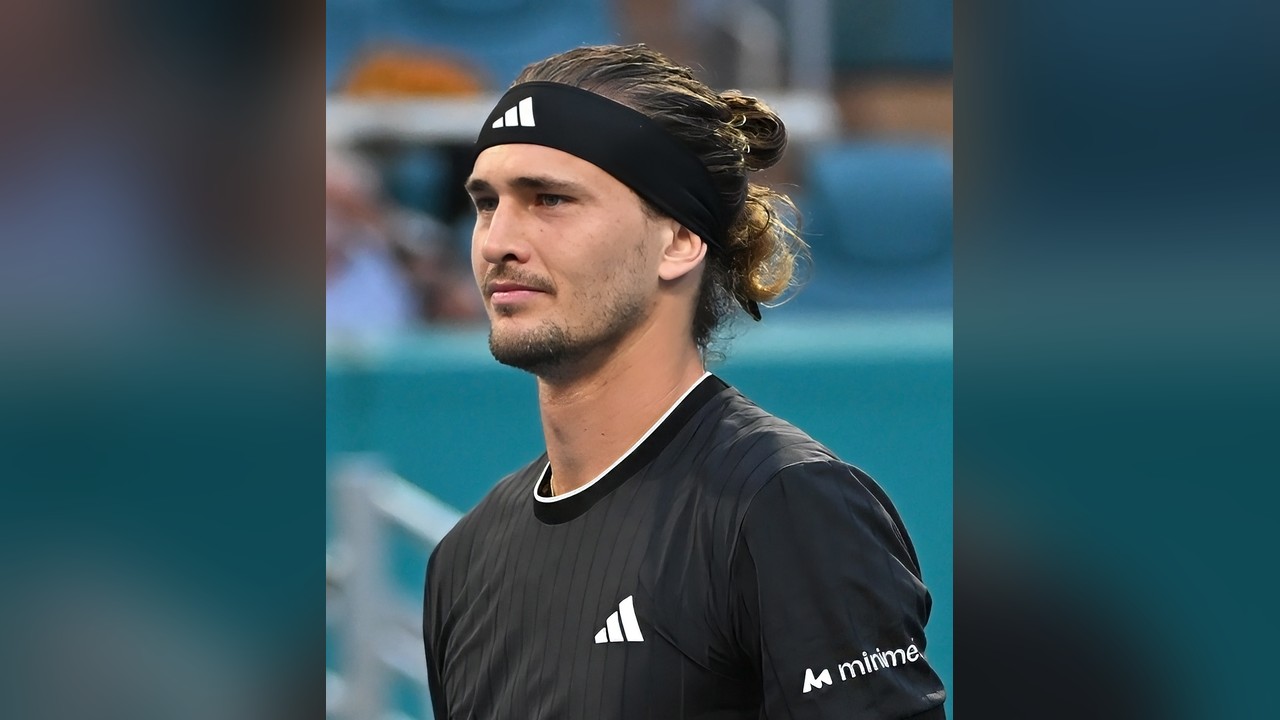
Court of Opinion: Zverev’s Grand Slam Ascent Collides With Domestic Abuse Allegations
Alexander Zverev enters his first Wimbledon final against Jannik Sinner under a cloud of renewed scrutiny following domestic abuse allegations from two former partners. Despite a recent maiden Grand Slam singles title at the French Open, Zverev faces a volatile reception at Centre Court, where tradition may be sidelined by public condemnation. The legal resolution of these claims remains ambiguous, characterized by out-of-court settlements rather than judicial verdicts.
Institutional and Commercial Friction
Zverev’s athletic trajectory creates a systemic paradox for tennis governing bodies and corporate sponsors. His ascent to the top of the sport coincides with accusations of domestic violence leveled by Olya Sharypova and Brenda Patea, the latter being the mother of his child.
For sponsors, the association with Zverev has transitioned from a performance-based asset to a reputational liability. The Economist notes that Zverev’s rise is “awkward” for sport authorities, as the lack of a definitive legal verdict complicates the application of morality clauses in endorsement contracts. The tension is most acute at Wimbledon, where the potential for crowd hostility—specifically boos from the Centre Court gallery—threatens the prestige and atmosphere of the final.
Case Summary and Legal Status
The allegations against Zverev are bifurcated across two separate relationships. While the athletic achievements are documented, the legal outcomes are characterized by a lack of transparency and finality.
| Accuser | Relationship Status | Nature of Allegation | Legal Outcome |
|---|---|---|---|
| Olya Sharypova | Former Partner | Domestic Abuse | Unspecified/Ongoing Scrutiny |
| Brenda Patea | Former Partner / Mother of child | Domestic Abuse | Out-of-court settlement |
Key Legal Finding: The settlement reached with Brenda Patea resulted in no formal verdict regarding Zverev’s guilt or innocence. This legal vacuum allows Zverev to continue competing at the highest level while leaving the underlying accusations unresolved in the public record.
Performance vs. Perception Matrix
Zverev’s current standing is a conflict between quantitative sporting success and qualitative public image.
| Metric | Status | Impact |
|---|---|---|
| Competitive Standing | Wimbledon Finalist | High (Peak Performance) |
| Recent Achievement | French Open Champion | High (Maiden Grand Slam) |
| Public Sentiment | Potential for boos at Centre Court | Negative (Reputational Risk) |
| Legal Standing | No verdict of guilt or innocence | Ambiguous (Legal Limbo) |
Forward Outlook
The immediate focus shifts to the Wimbledon final against Jannik Sinner, which serves as a litmus test for the sport’s tolerance of athletes with unresolved abuse allegations. The reaction of the London crowd will provide a real-time metric of Zverev’s brand toxicity in the Western market.
Long-term, Zverev’s commercial viability depends on the stability of his current personal associations—including his relationship with Sophia Thomalla—and whether sponsors prioritize on-court results over the ethical ambiguities of his past. Until a definitive legal or institutional ruling is issued, Zverev remains in a state of precarious duality: a champion on the court and a liability in the boardroom. The lack of a verdict on the Patea settlement ensures that the “cloud” over his career will persist, regardless of the match outcome.